Please note: this feature contains a full description of events in Lady Macbeth and as such contains spoilers.
 Marriage in the nineteenth century – particularly between the lower middle classes, perhaps, who had enough to lose but little enough to boast – must have been for many women a miserable existence. Firstly, women often had limited influence on the matches proposed to them, having to consider the fortune of their families and dependents as well as themselves, when respectable opportunities to earn money were very limited. The Married Woman’s Property Acts did not come in until 1870 and beyond; until that time, women forfeited any land, property or money they had in their own names, passing it directly to their husbands at the point of marriage. They had no legal rights to their own children – the father de facto retained that right – and limited access even to the extreme solution of divorce which, in the rare cases it took place, frequently led to women being socially ostracised, shunned by neighbours and family, and of course penniless, if they had no other arrangement or allowance entailed upon them. The only legitimate, respectable way out of a middle-class marriage was widowhood.
As the first reels of Lady Macbeth (2016) unfold, we’re left under no illusions about the stifling, isolating existence of many bartered brides in the mid-nineteenth century. The teenage Katherine has essentially been sold as a chattel, alongside a piece of purposeless land, to a much older man – under the wary eye of her father-in-law, a man who can only boast that he’s even more unpleasant than his son. From as early as her wedding night, her new husband Alexander makes it clear that her domain is indoors, where things will be more ‘comfortable’ for her. His wife insists she likes the fresh air, but he’s implacable, and so Katherine begins a dreary domestic life as his wife; not for nothing is she so often in frame with a clock. It also seems telling that her gasps of pain, annoyance and embarrassment so often occur when something is literally being done behind her back: when she’s being laced into a corset, submitting to having her hair brushed for the ornate braids she wears, or – more humiliating still – when her husband prefers to keep her at a cold, unconsummated distance, facing the wall…
Because of this, she can’t even get on with the arduous, risky business of providing the family with an heir, her whole reason for being procured for this out-of-the-way house – given Alexander’s predilections, as well as his long absences. Without books, callers or other occupations of any kind, Katherine seems primed to go the way of a thousand nineteenth century heroines, dissolving into ‘nervousness’ or lapsing into apathy, yet another Catherine Earnshaw or Margaret Sherwin perhaps. But Katherine has a ‘thick skin’, as she puts it, and a steely reserve. With her husband away, she takes over the duty of overseeing his labourers, which includes a new boy – Sebastian, a man who doesn’t care a jot about her social status, and treats her with the same easy disrespect he does her maid, Anna (whom he’s in the process of humiliating when Katherine first claps eyes on him.)
 Knowing the young bride is alone in the house one night, Sebastian takes his chance and sneaks in, giving the lie to the absent Alexander’s assertion that Katherine will be ‘safer’ there. At first, Katherine acts the part of the valiant virgin, trying to repel what seems a would-be rape – but then, subverting the expected codes of behaviour, she inverts the situation, suddenly reciprocating his advances. Sebastian suddenly has to re-assess, finding himself no longer in the stereotypical male role; he might have expected her to behave more like Anna perhaps, who even as a social inferior is demure enough to be mortified. Respectable women at this time were supposed to be passive, and virtually asexual – only submitting to the act for the purpose of maternity. Dr William Acton, practitioner to Queen Victoria, wrote a famous paper in 1857 – so, contemporary with the film – where he claimed that ‘the majority of women (happily for them) are not very much troubled by sexual feelings of any kind’: certainly, Sebastian is surprised by the way Katherine responds, and it’s not what he would have expected. It is also the moment that his own agency begins to rescind, irreparably, whilst hers blossoms – at least, up until a point.
Katherine’s descent into crime echoes not only the Shakespearean origin behind the film’s title (and the story behind the screenplay here) but also the extreme means which many literary women of the era utilised in order to satisfy their needs – be these lust or larceny. From Lady Audley to Emma Bovary, sexual appetites and liberation always demand a heavy penalty in the end. However, Lady Macbeth thwarts the anticipated Victorian (or Tsarist) moral payback in some key respects – and the screenplay deviates from its basis in the Russian novella Lady Macbeth of the Mtsensk District (1865) to see Katherine progress through increasing magnitudes of extreme behaviour, but without presenting viewers with a straightforward penance. If Katherine commences her criminal life in an expected way, then she doesn’t end it thus.
Her initial rebellion – against that ghastly old man, her father-in-law, who unfairly accosts her for neglecting her wifely duties when her husband is elsewhere – begins with a ‘woman’s crime’, the ubiquitous poisoning (closely echoing The Beguiled) which takes place in the home through a contaminated meal. Posing for a post-mortem photograph with her father-in-law’s remains in the correct full mourning garb, Katherine looks every inch properly sorrowful. It is, however, a ruse, and Katherine wastes no time in restructuring the household around her wishes and desires. The more Katherine is able to empty the house, the more agency she’s able to enjoy; the fewer people to witness her at home, the fewer people to have opinions on her conduct. With Boris gone, she has free access to her lover once again.
However, when her husband eventually returns, she doesn’t attempt the ‘woman’s crime’ again – although she could have, as she rushes to bring him a drink of tea – another feminine staple. He’s not apparently suspicious of the circumstances surrounding his father’s demise, doesn’t mourn him, and probably could have been dispatched the same way. However, in response to her husband’s rising anger – his wife may have tried to limit people’s knowledge of what she’s been up to, but he’s heard the rumours – Katherine opts against the life of penance and prayer books suggested by him, actually bringing Sebastian into the bedroom and then caving in Alexander’s head with a poker when he – perhaps reasonably – objects. A woman’s crime, this ain’t. Katherine has not opted to play safe and plausible here.
But getting rid of a gentleman (and his horse) is a different prospect to excusing the death of an elderly man, and marks a turning point in her behaviour. Sebastian now begins to shrink from her; she’s too demanding, too active. It seems she’s capable of anything at this juncture, and when her home is invaded by unexpected visitors, she takes the ultimate step for a Victorian lady – murdering a child, the ultimate inversion for someone whose role is meant to view childrearing as an almost divine calling. She’ll do anything, it seems, to keep Sebastian near to her, even when it seems like he’s exhausted and damaged by her attentions. However, in the novels of the period, including Lady Macbeth of the Mtsensk District, Katherine would simply be found out. She would pay a bloody price for her deeds; she might even confess. Order would be restored, probably by her death.
This isn’t to be in Lady Macbeth. When accused of her final crime, Katherine takes refuge behind her status as a woman of means. Again inverting Sebastian’s attempts to steer his own course, she turns his revelations that she murdered her husband’s ward back onto him. How could she kill a child? She loved the boy as if he were her own, she says. On the other hand, the lowly worker is naturally a suspicious character; she exploits his dirty, dishevelled appearance and shifts the blame. (He’s also mixed-race, but so are the new inhabitants of the house, including the child, so it seems as though his class is more significant in this instance.)
On consideration, those present are convinced by her story. Katherine has gone from counteracting expectations to get what she wants, to enacting the same expectations, also to get what she wants. Well, she saves her own skin, at least – but her victory is a hollow one, ultimately, as she is left entirely alone in the marital home. She has condemned her lover, and isolated herself in pregnancy, a pregnancy which would be both illegitimate and go on to produce another child of mixed race – a definite stigma, when you have just sent the mixed-race father to the gallows as a liar and a murderer. The film ends abruptly here, inviting the audience to consider Katherine’s ominous future. It’s a judicious place to leave the narrative, and sees her almost as powerless as she was when she first wore her bridal veil. To live – at what cost?
The overall effect of Lady Macbeth is to put your sympathies into a centrifuge. At first, it’s difficult to feel anything other than unequivocal pity for this young girl, married off and isolated (we know little about her family, but she does at one point say that she misses her mother.) Even as she begins to unpick the fabric of her very limited world, taking a lover – even getting rid of her father-in-law – you can still feel for Katherine. But as her behaviour escalates, and she shows that she’s willing to do anything, no matter how bloody, it becomes more challenging to sympathise with her. Is she simply a victim of circumstance? Does she have any other means available to her? Or is she herself inherently flawed somehow?
 There’s no simple answer here, but it’s worth remembering that she is not the only woman whose lot in life is pinioned by her social role. Anna, the lady’s maid, is a liminal figure in the film who is often present at key moments, but utterly peripheral, unable to influence things one way or another. She tries – valiantly – but she is in the unenviable position of being on the lowest rung here, the only person Katherine can command with propriety and impunity. There’s an interesting relationship between the two women, one which moves from some degree of intimacy to complete alienation. As Katherine’s sense of agency escalates, Anna’s already-limited agency diminishes – to the point when the girl becomes utterly voiceless in the face of the crimes she is forced to witness.
It is this voicelessness which Katherine finally exploits when faced with Sebastian – who is by now utterly powerless – and his accusations of her guilt. Had Anna been able to speak for herself, then she could have saved them both; however, the long and arduous process which has seen her become so traumatised that she becomes mute leads to a heart-breaking scene where she simply cannot form the words; she closes down completely, and so she will hang for a crime she did not commit. Katherine’s voice may be limited, but when she uses it to exonerate herself, she is still believable as a genteel young woman shocked by these insinuations of crime. Anna has no such redress, and her ultimate lack of power is emphasised by her literal speechlessness.
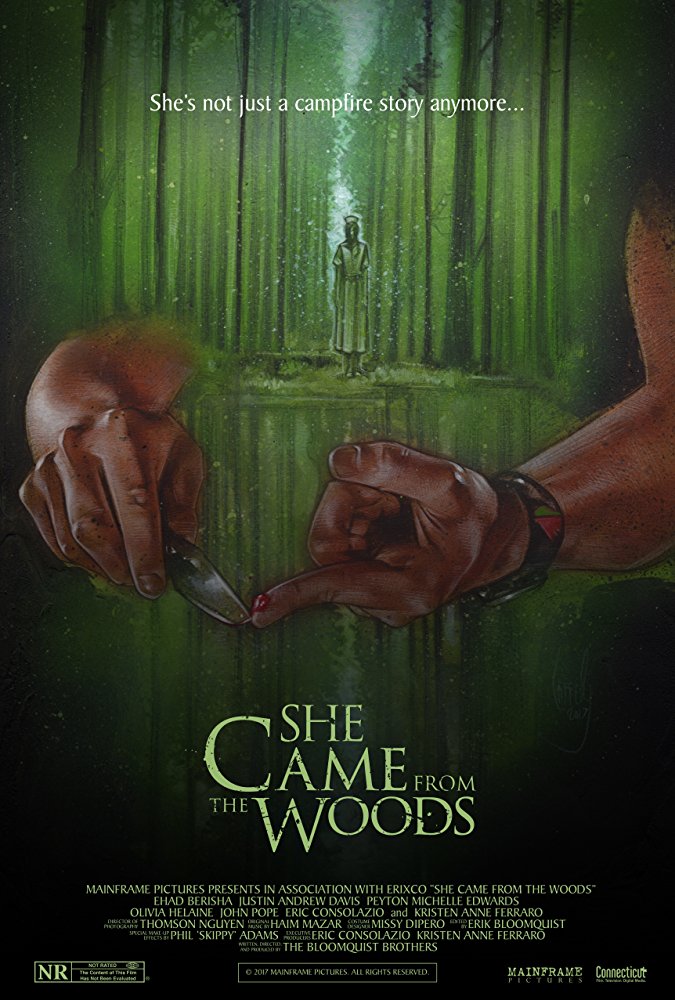 We receive quite a lot of short films overall at the site, and it’s always fun seeing what kind of a calling-card filmmakers have on offer: better still is when films channel formative horror and nostalgia along the way, which is the case with She Came From The Woods (2017).
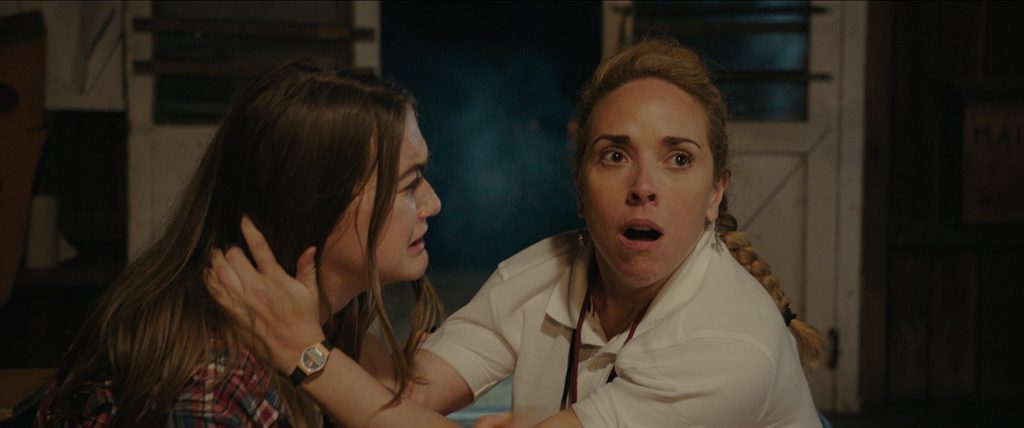 WP: Is the film and its mythos intended to stay a short, or is the story-line one you’d like to revisit at any point in future? I have to say, it feels like it could be expanded into a longer story…
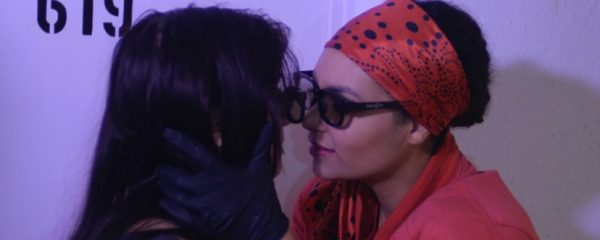 It’s a very rare thing indeed to see a filmmaker working in the styles so far chosen by director Alex Bakshaev in his career to date. His last film, The Devil of Kreuzberg, was to my mind a languid and stylish love letter to Jean Rollin; in S&M, Les Sadiques, we have a film not only openly dedicated to Jess Franco, but one clearly taking its visual cues from Uncle Jess – and on a budget of a mere 250 Euros, working within the confines of a budget which would startle even Franco. However, in common with The Devil of Kreuzberg, there’s so much evident love for source material which doesn’t tend to hold much sway over modern filmmakers, that it’s impossible not to be impressed and to an extent, entranced by the results.
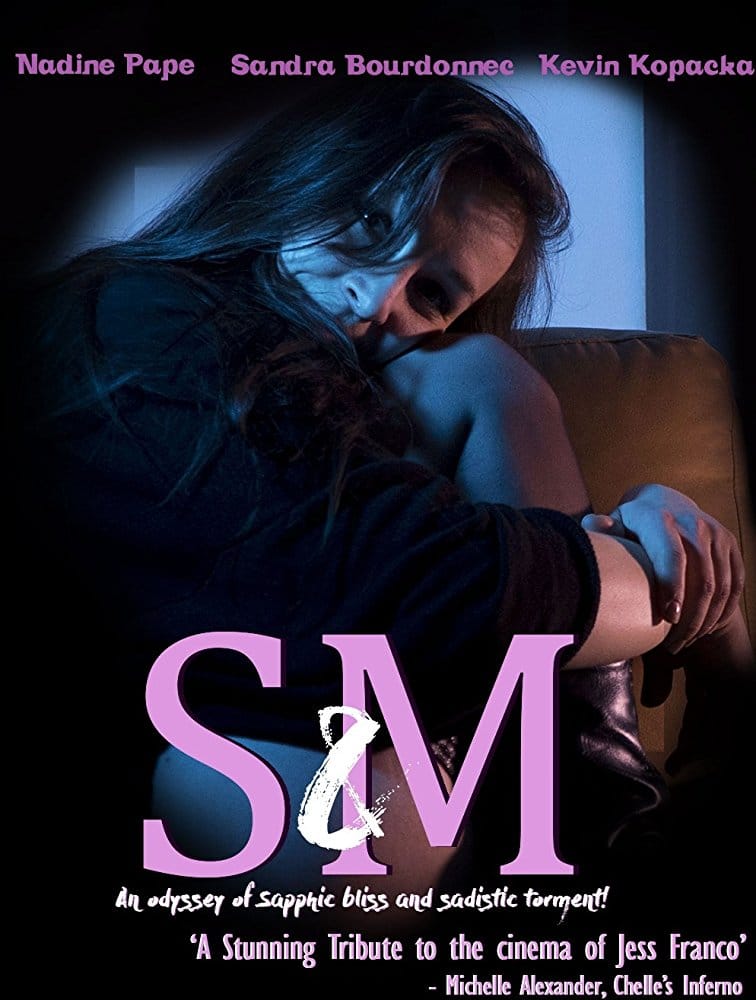 But as much as Jess Franco – and de Sade – are acknowledged influences on S&M: Les Sadiques, the overall style of the film is less uproarious than many a Jess Franco film, generally preferring atmosphere over action, and developing said atmosphere in meticulous ways. Whilst a sexual film in terms of its themes, the director is very selective about what is shown, though without shying away from nudity and encompassing one quite startling and brutal scene, too. The topics of control and consent are de facto explored here, though is a subtle array of ways. There is, again, a touch of magic in how Bakshaev manages to shoot Berlin, making the city look by turns very modern and recognisable, but then timeless, expressed through a series of interesting shots. The atmosphere also owes a great deal to the film’s minimal dialogue – sometimes we do not hear what characters are saying at all as they are not miked – and exposition. We simply accept Sandra and Marie’s relationship grows seemingly out of nowhere, for instance, because it just works that way, and it’s plausible within the confines of the film’s universe. The camera lingers on facial expressions and gestures in a very effective way too, adding to the pleasingly disorientating effect of the filming style overall. This is altogether quieter than the films which have inspired Les Sadiques, but genuinely works well and showcases a confident, ambitious set of attitudes to making cinema. A special mention has to go to Sandra Bourdonnec here, too, who is joined by a great cast but whose magnetism is quite unlike anything else on the screen: the star of The Devil of Kreuzberg exudes the kind of smouldering appeal which would not look amiss in any of the classic Euro horror or arthouse cinema we know and love.
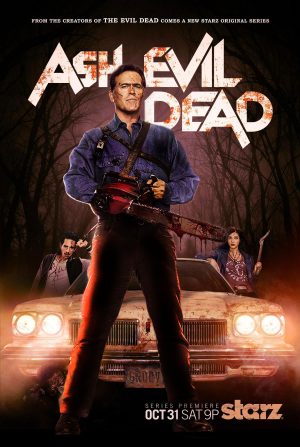 Rumours of an Evil Dead IV have been turning up reliably every few years, but nothing concrete has ever really come along to substantiate these. Personally, I feel like it was an either/or thing with the Evil Dead remake in 2013 – and we ended up with the remake, which aside from that (rather head-scratching) Bruce Campbell cameo after the end credits, moved things in a different direction, even though it ostensibly used the same mythology. Gone was the splatstick and the one-liners which we’d left off with after Evil Dead III; we were back with an altogether grislier spin which dispensed with the comedy altogether. If this was to be our last encounter with the Necronomicon, then we’d be ending on a very different note to what we’d come to expect from Raimi and Campbell – which sat a little awkwardly with many people, myself included.
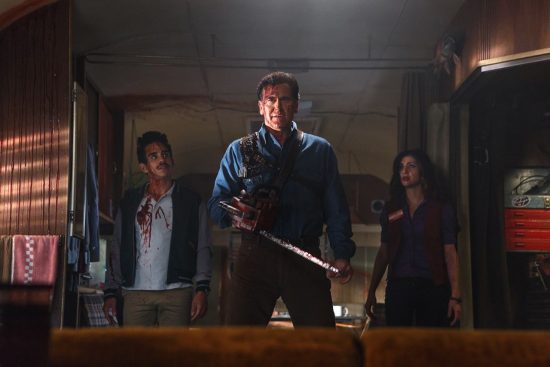 So with all of that said, how come I’m not howling with indignation at the show’s cancellation? Well, part of me is, absolutely, as the tyranny of ‘viewing figures’ is only a limited measure of how a show is doing, really, if you could only wait and see. Movies which sink at the Box Office often rejuvenate on DVD and merchandise sales. But it seems pretty impossible that my indignation here would achieve anything, and now that Bruce himself has closed the door, we would be better off accepting that we’re done here. And, whilst I have confidence in Sam and Ivan Raimi – alongside the rest of the talented writers they’ve worked with on the show – you never know what market forces and other factors can throw at you; a potential universe where we’re on Series Ten and the well is running dry sounds pretty unappealing, even if not quite ‘Dark Ones walking the earth’ unappealing. The worst case scenario is a horror version of The Big Bang Theory, which at least we’re definitely being spared.
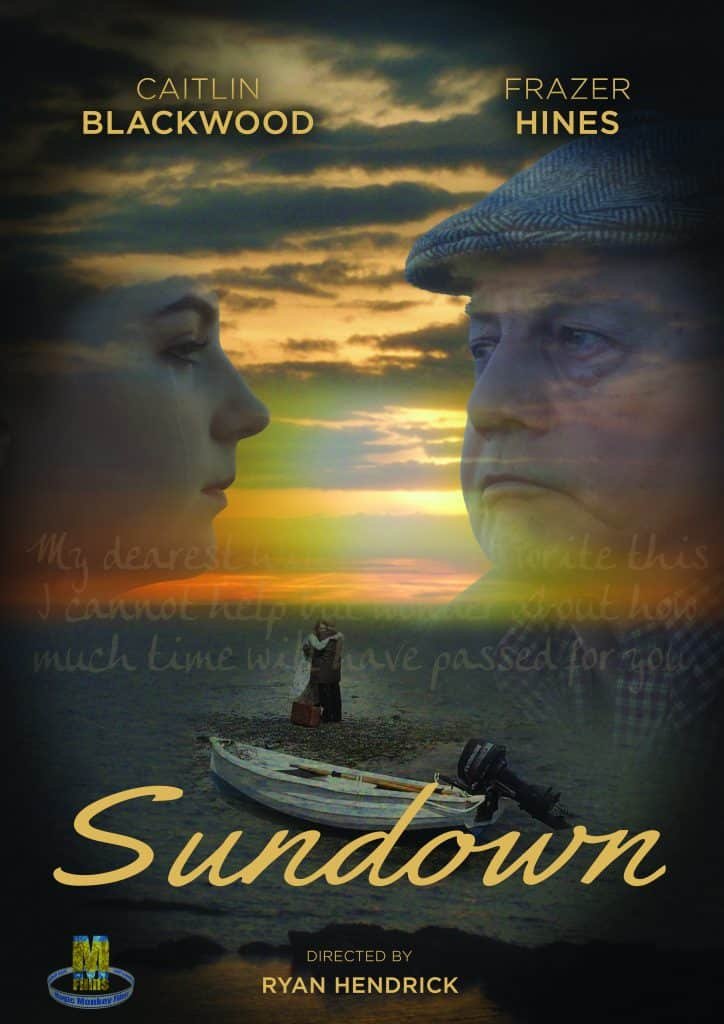 My influences come straight from my emotions. I always start creatively with an emotion or tone I want to convey before exploring a narrative. I am drawn to all sorts of storylines and themes, but they key for me is to tell them with a sense of romantic optimism. Sundown could easily have been a depressing and stark social realistic arthouse film, but I want to inspire audiences, make them feel a range of emotions.
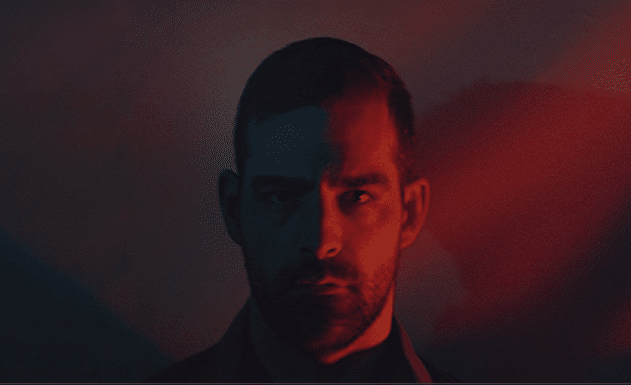 “Where do the ideas come from?” It’s a standard question which, for many people working in the creative industries, there’s probably never a standard answer; however, in the new indie movie A Brilliant Monster, the trials and tribulations of continually coming up with workable new projects is given a dark, original twist. It’s an original idea about getting original ideas, if you will.
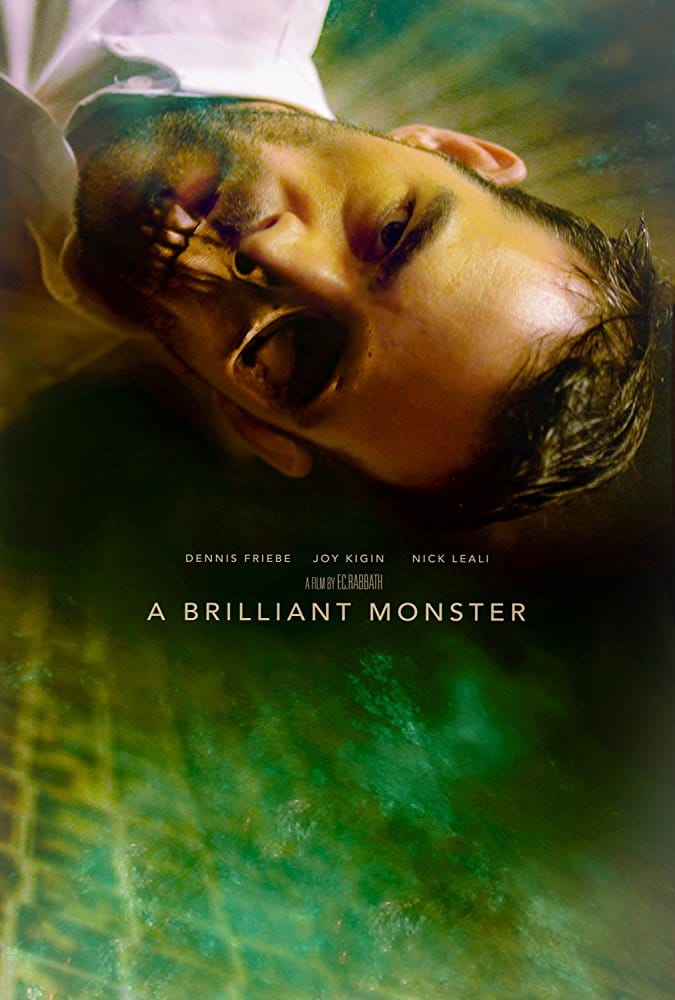 This behaviour is refracted through an earthy, plausible script which generally works very well – a definite plus, given that this film really lives or dies by its dialogue. On occasion, the repetitive “where do you get the ideas?” line coming from different players can be a little excessive – A Brilliant Monster is capable of establishing its themes beyond doubt without this repetition – but otherwise, the script is good at balancing its touches of humour against moving the narrative forwards. Along the way, it asks some interesting questions and raises some interesting points. For example, the film shows how someone’s celebrity status can impair our judgement of them: the first cop on the case cannot really believe that a famous author could behave in a criminal way, later characters feel just the same way regardless of their backgrounds, and this certainty that status = irreproachable conduct is toyed with throughout the film. People are just seduced by Mitch’s fame; they can’t really see any further. But perhaps more tellingly, A Brilliant Monster looks at the grotesque side of the creative process: in this process, women seem to fare particularly badly (a grisly literal riff on the idea of the ‘muse’ maybe) but as the stakes get higher, Mitch is forced to make ever more difficult tactical decisions in return for what he needs as a writer. The relationship between him, his past, his purpose in writing and his inspiration are given an engaging treatment here.
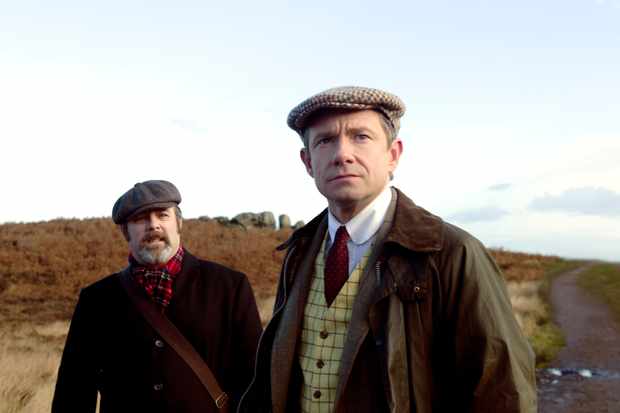 The Ghost Stories film comes to us off the back of a much-praised stage play of the same title by two of our finest writers, Andy Nyman and Jeremy Dyson: at the time it was doing the rounds some years ago, I managed to immure myself against hearing even the barest hint of what it was all about, in the hopes that I’d get to go and see it (which I didn’t) whilst having no expectations which could spoil the show. Happily, I’ve managed to go on hearing nothing at all ahead of seeing the film. This is where I think it’s only fair to extend the same courtesy to anyone who might be reading this. In order to discuss Ghost Stories in any meaningful way, I’m going to have to talk about what happens and how it plays out. This will by no means be a plot synopsis, but nonetheless this review may contain mild spoilers from here on in.
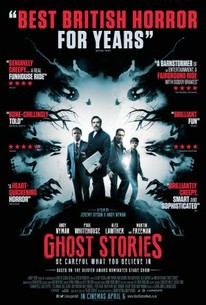 There are a great many things in favour of this film, and chief amongst those is – for me – in its visual trickery. The flashy BOO! scenes which punctuate the film (no doubt after the stage play, which itself probably picked up a lot of cues from that stalwart of horror theatre, The Woman in Black) I could take or leave. I find them too easy to see coming, too much more about the reflexes than the imagination. However, what these BOO! moments certainly do achieve is to set you on edge, so that your brain is ready to see things which aren’t there. I haven’t read up on the making of the film, but I’m willing to bet all or at least most of these tricks of the eye are deliberate. ‘The brain sees what it wants to see’, and so on. There are also several nods to other classic British ghost tales – which I won’t name here – but these work with the tales at hand, and don’t feel unnecessarily tacked on. I tell you what else I thought of, and I might be alone in this, but if you’ve ever read the (terrifying) series of books issued by Fortean Times called ‘It Happened To Me’, where utterly ordinary people write in with their supernatural experiences – some of the tales in the film are strongly reminiscent of stories I’ve read there, particularly the middle story, though this may of course be entirely coincidental. In any case, it’s great to see a cast of such well-known British actors, often comedy actors, taking on something quite as dark as Ghost Stories and doing a superb job, even managing to blend in a few moments of gallows humour without dissipating the horror.
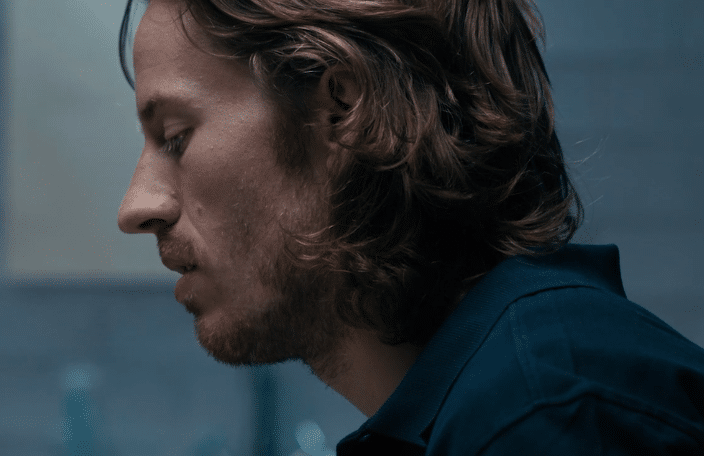 In a stark opening scene, composed largely from a colour palette of black, white, and tiny amounts of red – a young woman awakens. She is in a mysterious room, has crippling injuries to her legs, and is clearly shocked and confused by her predicament. As soon as she wakes up, she’s addressed by a man: he gives his name, explains that she has been kidnapped, and she will remain in this room until such time as she “falls in love” with him. Before leaving her alone, he warns her not to try and escape – her legs are too damaged, the place they’re in is too isolated and she won’t get far.
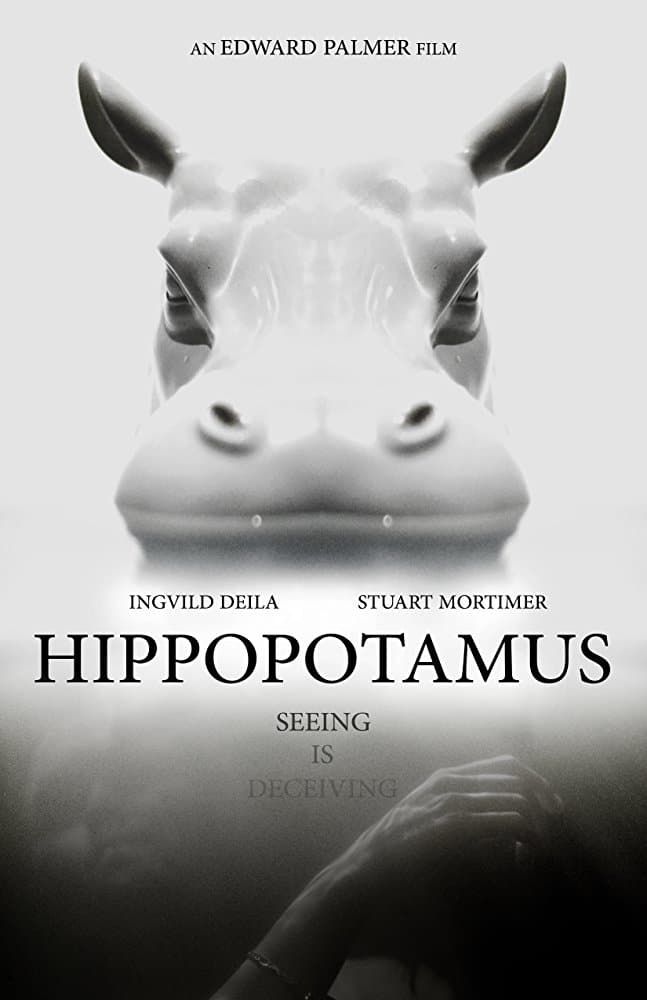 The woman in captivity – Ruby – is told by her captor – Thomas – that she will be following a strict new schedule. She will be fed, she will be given medication, she will be slowly helped to heal, and her sleep will be controlled. It’s soon clear that Ruby has no idea who she is: she keeps looking with wonder at a bracelet engraved with her name, and when she gets to look at some of her possessions, kept in a nearby handbag, she’s confused by them, too. As she begins to feel more well, she begins to ask questions of Thomas, though he is not exactly forthcoming (captors in cinema rarely seem particularly garrulous). He does assure her, though, that he hasn’t kidnapped with any sexual intentions; Ruby can barely believe this, asking several times if she has been assaulted. She doesn’t endure any further cruelty, though, which begins to encourage her to dig deeper; she becomes increasingly confident with this man, and he begins to warm to her.
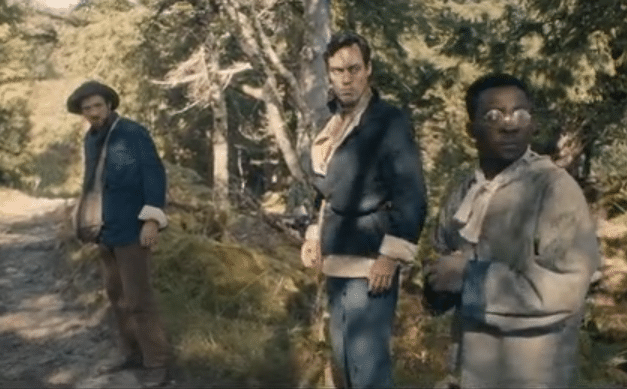 The year is 1846. After surviving a devastating shipwreck whilst en route to America, three men manage to make it to dry land – which turns out to be a remote Scottish island, where only a handful of people seem to live, eking out an existence. However, the first islander to greet them – a man named Fingal MacLeod (Dickon Tyrell) – seems genuinely interested in their welfare, offering them food and shelter whilst asking what exactly befell their vessel. The sailors find that difficult to explain: a sudden turn in the weather made it impossible for them to navigate, they recall, but beyond that, they aren’t sure. Fingal promises to help them get back to the mainland regardless, and suggests they stay at the local farmhouse in the meantime. Grateful for the surly assistance of the Innis household, Oliver (Alex Hassell), Cailean (Fisayo Akinade) and Jimmy (Graham Butler) can do little but wait it out.
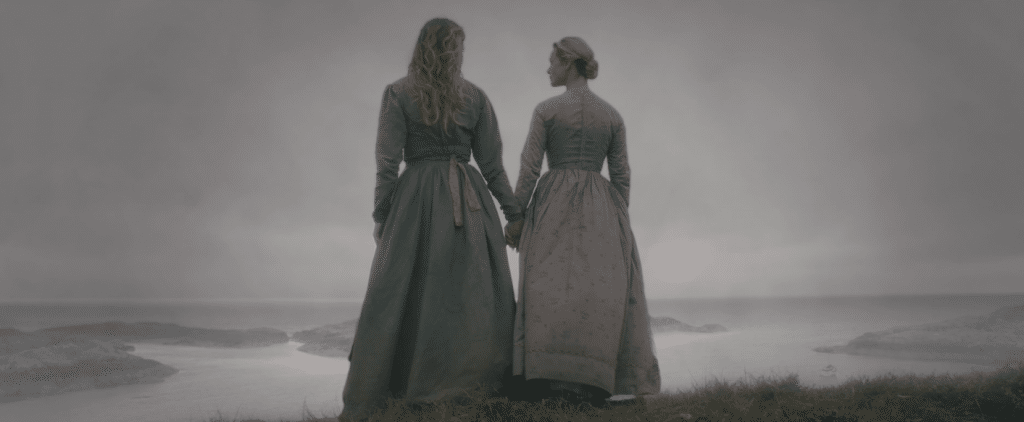 The film also takes its time in establishing characters, allowing them to build in an organic way without using line after line of exposition. Seeing the characters measured against the stark, but beautiful location seems to add a great deal to how we see them, too, and this requires almost no dialogue to be spoken at all. The unmistakeable Scottish landscape dwarfs the people on this island, both outsiders and residents, reminding the audience of how little agency they have in this unforgiving environment. More than this, the rocks, woods and beaches also figure hugely in the narrative: being lost, being trapped and being disorientated are states which propel the plot onwards in their own ways. And, before the film unfolds its surprises, finally revealing its secrets (The Isle’s changes in direction are genuinely surprising and engaging) we are kept on the same level as the characters themselves – never truly sure whether this bleak place can be taken on face value.
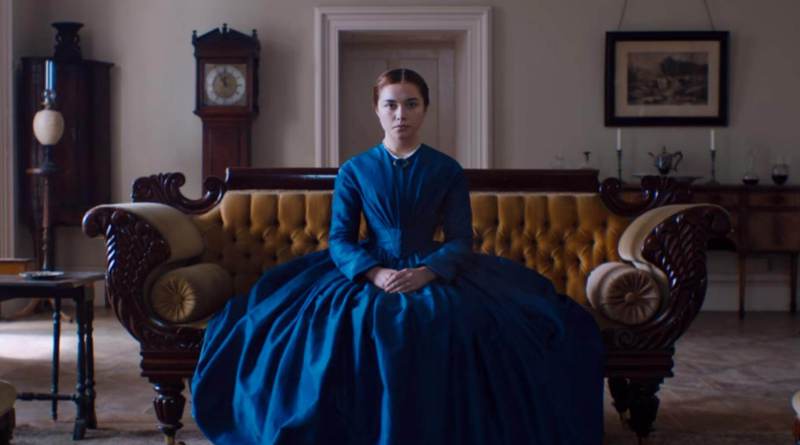 Marriage in the nineteenth century – particularly between the lower middle classes, perhaps, who had enough to lose but little enough to boast – must have been for many women a miserable existence. Firstly, women often had limited influence on the matches proposed to them, having to consider the fortune of their families and dependents as well as themselves, when respectable opportunities to earn money were very limited. The Married Woman’s Property Acts did not come in until 1870 and beyond; until that time, women forfeited any land, property or money they had in their own names, passing it directly to their husbands at the point of marriage. They had no legal rights to their own children – the father de facto retained that right – and limited access even to the extreme solution of divorce which, in the rare cases it took place, frequently led to women being socially ostracised, shunned by neighbours and family, and of course penniless, if they had no other arrangement or allowance entailed upon them. The only legitimate, respectable way out of a middle-class marriage was widowhood.
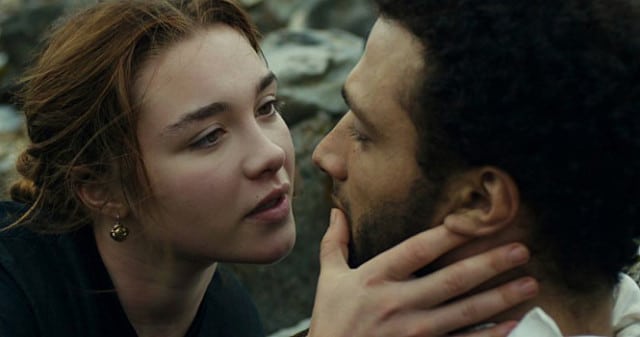 Knowing the young bride is alone in the house one night, Sebastian takes his chance and sneaks in, giving the lie to the absent Alexander’s assertion that Katherine will be ‘safer’ there. At first, Katherine acts the part of the valiant virgin, trying to repel what seems a would-be rape – but then, subverting the expected codes of behaviour, she inverts the situation, suddenly reciprocating his advances. Sebastian suddenly has to re-assess, finding himself no longer in the stereotypical male role; he might have expected her to behave more like Anna perhaps, who even as a social inferior is demure enough to be mortified. Respectable women at this time were supposed to be passive, and virtually asexual – only submitting to the act for the purpose of maternity. Dr William Acton, practitioner to Queen Victoria, wrote a famous paper in 1857 – so, contemporary with the film – where he claimed that ‘the majority of women (happily for them) are not very much troubled by sexual feelings of any kind’: certainly, Sebastian is surprised by the way Katherine responds, and it’s not what he would have expected. It is also the moment that his own agency begins to rescind, irreparably, whilst hers blossoms – at least, up until a point.
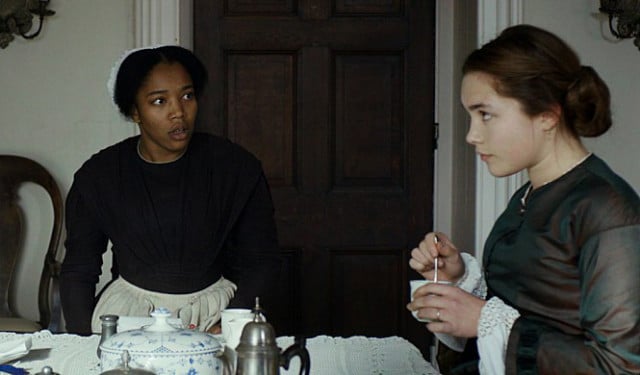 There’s no simple answer here, but it’s worth remembering that she is not the only woman whose lot in life is pinioned by her social role. Anna, the lady’s maid, is a liminal figure in the film who is often present at key moments, but utterly peripheral, unable to influence things one way or another. She tries – valiantly – but she is in the unenviable position of being on the lowest rung here, the only person Katherine can command with propriety and impunity. There’s an interesting relationship between the two women, one which moves from some degree of intimacy to complete alienation. As Katherine’s sense of agency escalates, Anna’s already-limited agency diminishes – to the point when the girl becomes utterly voiceless in the face of the crimes she is forced to witness.