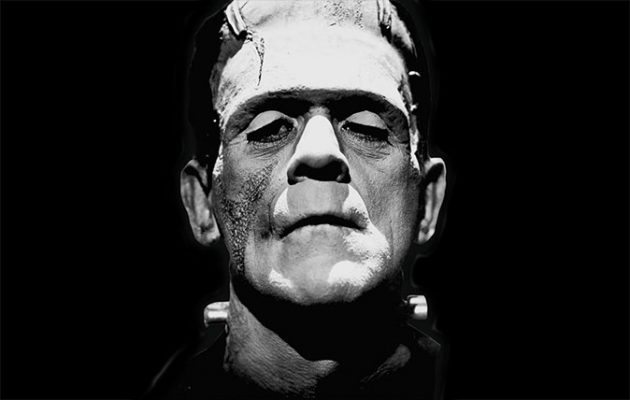
 Frankenstein’s Creature is one of the true modern horror archetypes. Like the vampire or the ghoul, it’s an enduring and versatile monster, ready to reflect whatever set of anxieties we currently have; its ghastly stitched flesh and tendons are durable enough to withstand whatever we seek from it. And yet, unlike the vampire – which was popularised by literature and the likes of Le Fanu and Stoker later in the century, but existed in myth in various forms for centuries beforehand – this reanimated man made of men stems from the imagination of one person: a teenage girl, Mary Godwin, later Mary Shelley. Although she wrote throughout her life, it is Frankenstein for which she’s famous, and its legacy is quite unprecedented. And, as cinema developed, it was one of the first horror stories ever to be adapted for the screen, where it has returned in a wide array of forms over the past century.
“What terrified me will terrify others…”
The circumstances behind this extraordinary story are by now quite well-known. A group of exiles from England – Mary included – arrived at a Swiss villa on the banks of Lake Geneva in the spring of 1816. The party consisted of Mary, her lover, the radical poet and atheist Percy Shelley, Mary’s stepsister (and both Shelley and Byron’s lover at times) ‘Claire’ Clairmont, the notorious Lord Byron, and his physician, John Polidori. A group of intelligent, educated people, at odds with their own society, found themselves together abroad, and frequently kept indoors by rain and storms which lashed the villa (this gathering itself has been the subject of a horror film – Gothic, directed by Ken Russell, so evocative has the thought of it all become). Eventually, after getting into the habit of sharing ghost stories by night, Byron proposed a competition: the inmates of the villa were to write ghost stories of their own.
Mary initially agonised over this, struggling to find a subject, until a bizarre, conglomerate dream of all of the lofty topics they had taken to discussing, alongside the probable emotive effects of the ghost stories themselves, presented her with not quite a ghost story, but certainly an original idea imbued with elements of science fiction as well as more conventional scares. She finally saw in her mind’s eye, ” the hideous phantasm of a man stretched out, and then, on the working of some powerful engine, show signs of life, and stir with an uneasy, half-vital motion.” Thus the Creature was born.
The circumstances of this gathering at the Villa Diodati are of course interesting and relevant, but sometimes there’s a tendency to see this event in a sort of vacuum, forgetting all that had come before it and how this may have impacted upon the psyche of the precocious but very young girl who went on the pen the tale of Frankenstein; or The Modern Prometheus, which was completed as a full-length novel the following year, and published the year after. Even Shelley catches himself wondering, in an article for the Athenaeum in 1832 (after he had re-edited the book), “what could have been the series of thoughts – what could have been the peculiar experiences that awakened them – which conduced, in the author’s mind, to the astonishing combination of motives and incidents, and the startling catastrophe which compose this tale.” Possibly this is a rhetorical question, or perhaps he was simply not fully aware of the impact of the preceding years on Mary, because by the time she reached the villa, she had endured a whirlwind of events which were highly likely to have coloured her tale of creation gone awry.
“My hideous progeny…”
Mary Godwin met Shelley when she was just seventeen years old: he was an ardent disciple of her radical philosopher father, William Godwin. The younger man soon disappointed the expectations of the older; Mary and Percy fell in love, ‘staining’ his daughter’s reputation irrevocably, as Shelley was already married. The psychological impact of being a ‘fallen woman’ at this young age, shunned by polite society for decades to come, must have wounded this naturally bright, though naive girl. Shelley’s subsequent, immediate abandonment of his pregnant wife, Harriet, does him no credit (Harriet later committed suicide) and after the lovers had professed their ardent feelings for one another, the story goes that Mary lost her virginity in a churchyard soon thereafter.
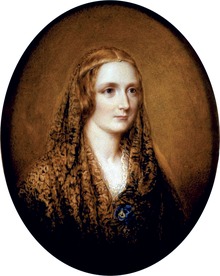 An elopement to France followed, which had to be curtailed due to penury, and when Mary – pregnant, sick – returned to England, even her forward-thinking father would no longer assist her. Her first child was born prematurely in the following year, and died without even receiving a name. Plunged into a depression, Mary wrote in her journal of a “dream that my little baby came to life again; that it had only been cold, and that we rubbed it before the fire, and it lived.” Already in Mary’s life and in her imagination, even by the standards of the early nineteenth century, birth and death seem to be interlinked and interchangeable. Mary quietly bemoaned her frequent further pregnancies, complaining of how they stripped her of vital energy and health; only one of her children ever reached adulthood, and Mary nearly died of a miscarriage. Her own mother, the feminist Mary Wollstonecraft, had written to Godwin towards the end of her pregnancy with Mary that she expected “the animal” was about to be born; when the animal came, it left Mary Wollstonecraft with an acute infection which killed her within days. Doubtlessly, very female anxieties underpin the horrors of Frankenstein, just as much as anxieties about male-dominated science; the terrors of bringing new life in into the world do not start and end with Victor Frankenstein’s new methods.
“My workshop of filthy creation…”
In fact, Mary Shelley says more about the potential method for reanimating the Creature in her introduction than she has her protagonist, the brilliant, singular Victor Frankenstein, ever say in his own account – and she says very little herself. This idea of ‘the working of some powerful engine’ she describes, that idea which has furnished filmmakers with all manner of bizarre quasi-scientific scenes – sometimes the means overpower the ends in film – isn’t mentioned by Frankenstein. He says only that he has pieced his Creature out of materials from ‘charnel houses’, ‘the dissecting room’ and the ‘slaughter-house’ and then that, on one fateful day, he accomplishes his toils; there’s no mention of lightning, or amniotic fluid, or any of the other cinematic tropes which have steadily grown around interpretations of this rather mysterious process. The real horror comes with his success: suddenly, he sees the creature he has created as hideous – and abandons it. The Creature is to all intents and purposes a newborn who requires his basic needs to be met before he can begin to process language, which he does by imitation; in his later life, his outrage is against his ‘father’, the man who gave him life but rejected him outright, leaving him ill-equipped to manage the tumult of emotions and the thirst for revenge.
I’m sure that to a greater or lesser extent, Mary Shelley’s story was an oblique criticism of aspects of male behaviour, though perhaps as much as anything, the story is a warning about the arrogance of bending the world and its natural laws to human will. However, given that women did not yet have the right to attend university, and that a female protagonist could not feasibly have been placed in the situation in which Victor Frankenstein finds himself – remember, Elizabeth remains at home – Mary Shelley was still writing within and about the social order at this point. I don’t think it’s enough to say that Mary Shelley is simply warning of the perils of men, not women creating life: remember that Victor Frankenstein destroys the ‘mate’ he is making for the creature when he reflects that they could potentially then have children of their own, spawning a new, onerous type of humanity. In retaliation, the Creature strangles Victor’s new bride Elizabeth, circumventing the ‘happy family’ once again.
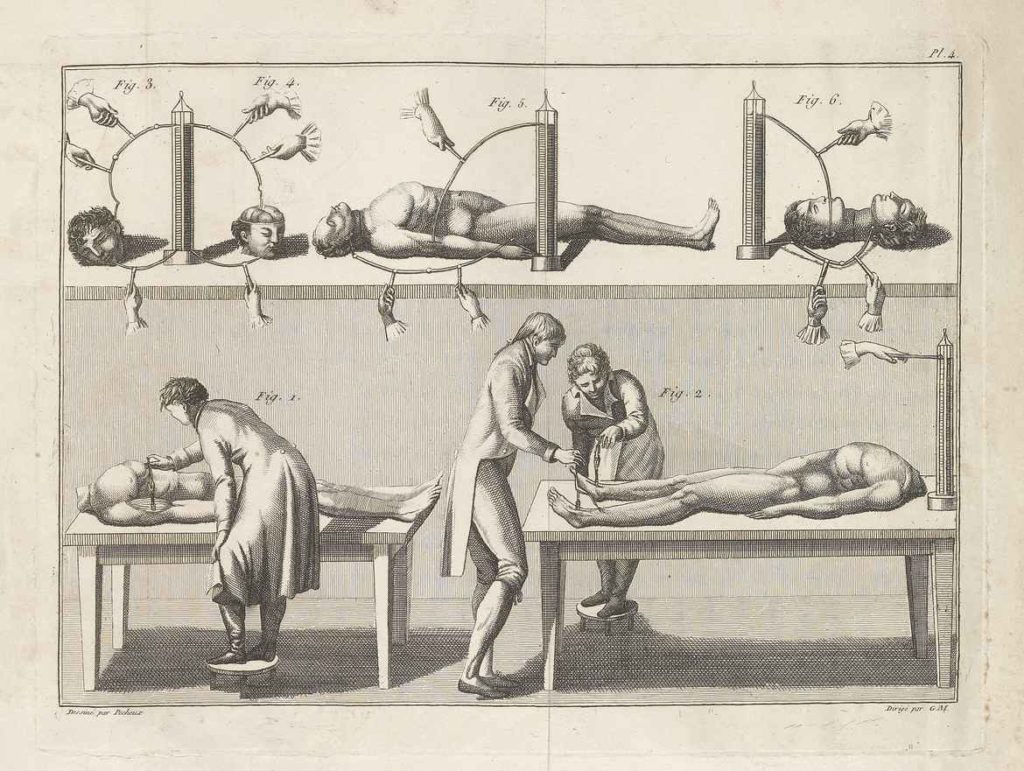
Whatever your interpretation of the story’s background, though, it’s clear that the early nineteenth century was fertile ground for a scientific horror story such as Frankenstein. The onward march of science on one hand – with experiments in galvanism, for instance, seemingly reanimating dead flesh – and the old hang-ups of superstition on the other, positions Frankenstein’s creature somewhere between the two. Mary Shelley herself speaks about galvanism, and was familiar with the pioneering works of Humphrey Davy and Erasmus Darwin, and listened to Byron and Shelley discussing what it takes to bestow life, and how this could be subverted. Science was moving forward in gigantic, intimidating leaps and bounds. But perhaps the most telling phenomenon which spanned the divide in real life was that of the ‘resurrection men’ or body-snatchers, who stole interred bodies from the hallowed ground of the churchyards for sale to men of science; it’s notable that Victor Frankenstein refers to himself as ‘a student of the unhallowed arts’ and possibly relies on these methods for himself.
There are many other reasons why Mary Shelley’s story has endured. A complex epistolary novel, it speaks to us of myriad other concerns which have stayed with us. Although it reaches for biblical interpretations – the idea of ‘playing God’, still of great interest in a Post-Enlightenment world – today, it perhaps affects a largely secular society more deeply in its themes of neglect and responsibility, prejudice against appearance and the consequences of ‘othering’. These concerns were present from the outset, too: rarely do other monsters of literature seem to seek nurture, and to weep when it transpires that no one is coming to them. Mina Harker may have had a moment’s concern for a creature ‘so hunted’ as Count Dracula, but it never approaches this sense of a child being abandoned.
“It’s alive! It’s alive!”
Horror cinema has at various times examined all of the themes above in different combinations, but one thing is true: filmmakers can’t quite bring themselves to wake the Creature quietly. The procedure itself seems to have become a key focus of Frankenstein on film from its very earliest inception, and the laboratory which harnesses the weather to generate electricity is as familiar to us as the standard-issue Frankenstein’s Creature established by Universal Studios. Even the very earliest short film – itself now over a century old – takes that approach (see below), and you could argue that James Whale puts more into the process than he does into the philosophical agony behind the process, which comes to the fore in the novel. Why this focus on the sparks flying? Why does Frankenstein himself start to wear something akin to a lab coat?
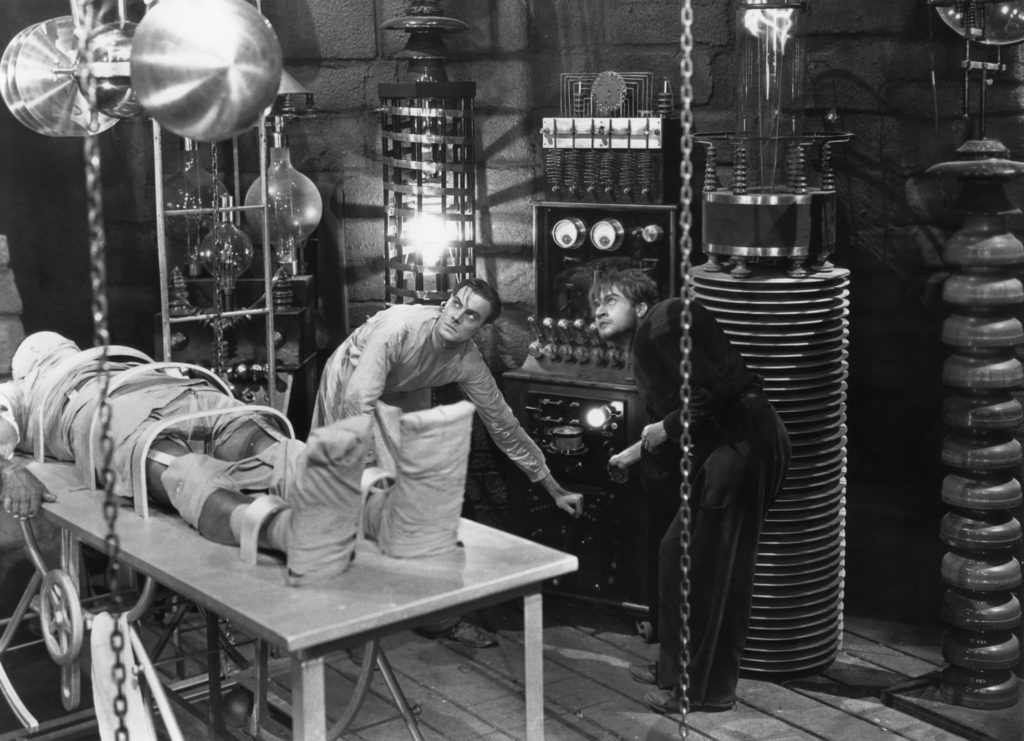 It seems to me that, once Frankenstein had started appearing on the new phenomenon of the cinema screen, both the novel and the new medium quickly became a distorting mirror for particularly twentieth century anxieties about twentieth century science. Universal Studio’s Frankenstein was released in 1931; by 1945, nuclear warfare would change world politics forever, and to this day ‘Frankenstein’ is an ongoing shorthand for worries about the direction science is heading – remember the ‘Frankenstein foods’ slur used against GM-crops when anxieties about this hit their peak about fifteen years ago? For early twentieth century viewers, with escalating world tensions, new methods of mass destruction and a constantly-refigured understanding of their place in the world, it seemed that monstrous things really did happen in labs. Frankenstein’s creature became a monster not of the ‘unhallowed arts’, but of bad science, and it’s a phenomenon which still recurs today.
Select Filmography
Frankenstein (1910) – evidence of the urge to retell horrible or fantastical stories as soon as cinema became a possibility, this short film, released by the Eddison company, has a more redemptive ending than the book itself, but interestingly toys with the idea of the ‘creature’ as an other self.
The Bride of Frankenstein (1935) – following on from the introduction of Boris Karloff as ‘the creature’ in 1931, a performance (and make-up) which has crafted our image of the creature ever after, The Bride of Frankenstein is not only more bleak, but runs with the notion that the ‘monster wants a mate’, an idea which, in the novel, Victor rejects. In the film, it’s the female Creature who rejects the male creature, leading to one of his most despairing, poignant lines: “we belong dead!” The ‘new world of gods and monsters’ is a cruel place.
The Curse of Frankenstein (1957) – it’s perhaps inevitable that Hammer Studios would get in on the act once their X-rated horror cinema came into being, and this film kick-started a number of Hammer interpretations of the source material, though seeing Peter Cushing as Frankenstein and Christopher Lee as the Creature is always a thrill.

Flesh for Frankenstein (1973) – imagine, if you will, Frankenstein being played by a German genre film superstar as a deranged Serbian nationalist hellbent on making an idealised male and female creature; add the veneer of incest and of course the glorious Joe D’Allesandro and you can truly fuck life in ze gall bladder, as Frankenstein implores us to do – in 3D! Often paired with director Paul Morrissey’s other camp interpretation of a horror classic – Blood for Dracula – and you have yourselves a good night lined up.
Frankenhooker (1990) – to go even further than the above: when a horror trope can be used as a joke, then it’s truly wormed its way into a culture, and director Frank Henenlotter plays fast and loose with it here, as a budding scientist reconstructs his sadly-deceased girlfriend (dead of a freak lawnmower accident) out of a horde of body parts retrieved from prostitutes who exploded after smoking contaminated crack. Now I see it written down that way, it seems more wrong than it looks on screen. I can’t help but wonder what Mary Shelley would have made of it.
Mary Shelley’s Frankenstein (1994) – we move full circle with this film, as this was represented as a close interpretation of the novel. To be fair, I think it’s a great film, even if Branagh can’t resist making himself the star and for bizarre reasons made himself a love interest. Robert De Niro, as the Creature, is both pitiable and execrable in the role, which is exactly how I read the character and which moves entirely away from the 1931 archetype, showing that there is still much scope for versatility in how the Creature can be interpreted.
Frankenstein’s Army (2013) – Nazis engineering super-soldiers out of body parts by using a certain Dr. Frankenstein’s journals to assist them? I think it would be rude not to, frankly. A daft and enjoyable piece of body horror, which has more in common with Henenlotter than it could ever have with Branagh.
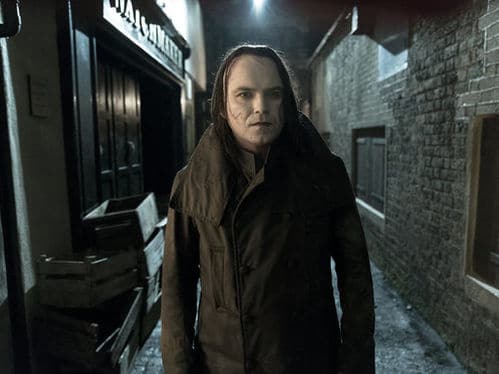 Penny Dreadful (2014-16) – It’s easy to scoff at the trend for literary mash-ups – you know, the likes of Pride and Prejudice and Zombies – but Penny Dreadful, which shows us a Victorian London peopled with a whole host of famous literary monsters, is a triumph of interesting developments and love for the source material. Frankenstein’s Creature is played in the series by Rory Kinnear: his is an outstanding representation which brings us right back to the start. Kinnear’s creature is humane, intelligent and persecuted but utterly monstrous, tormenting his Creator and destroying his other work. However, Victorian London was awash with misfits and malformed, and the Creature escapes, seeking to build some sort of a life amongst others rather than fleeing for the wilderness. His subsequent association with the theatre is a fitting development, a final link between novel, screen and performance.
 It’s comparatively rare these days to go into a film viewing with no idea of what to expect, so often your best chance at this is to gain access to an online screener – particularly if these screeners come via film festivals which, for good or ill, have a fairly selective audience until such time as their films get a general release. In the case of Rabbit (2017), which first screened at Toronto After Dark last year, I got the chance to see this film with a completely blank slate – and I’m very glad I did. From the opening scenes, the film weaves a clever and nightmarish spell, eschewing gratuitous horror or torment in favour of something far more subtle.
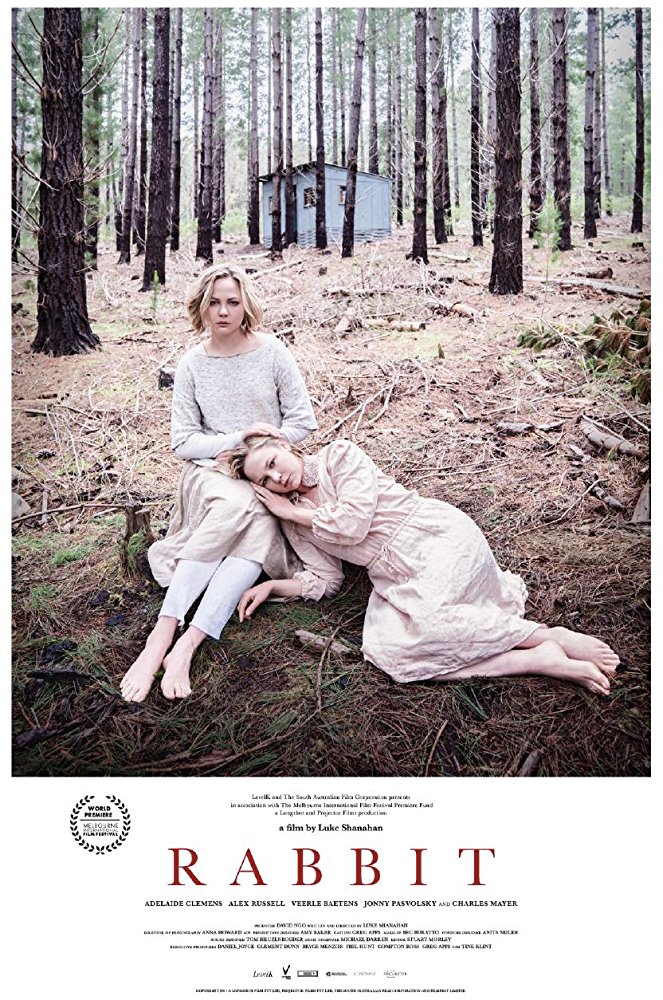 This is maintained artfully throughout Rabbit, because every line of dialogue and every gesture has a somewhat practised air: I’m trying to avoid invoking the name of a certain director, but there are some unmistakable resemblances to Mulholland Drive in the first half of this film. Things do progress in a slightly more tried-and-tested way in the second act, admittedly, although the atmosphere sustains the impression that this is not just another horror. Overall, there’s a convincing sense that some conniving intelligence with grim intentions is manipulating events, something which horror has played to great effect in recent years, from Martyrs to Starry Eyes to Get Out – though none of these films have utilised mise-en-scène quite so well. Director Luke Shanahan and cinematographer Anna Howard have set up a series of gorgeous, unsettling sequences which you barely glimpse, but which are deeply unsettling. The film is fraught with menace, and it all seems to operate in that pre-digital space which is equally beloved of modern horror. Perhaps for modern audiences, this symbolises an unfamiliar terrain where help is not at hand; in any case, a lot of films seems to have dispensed with phone trouble as a plot device.
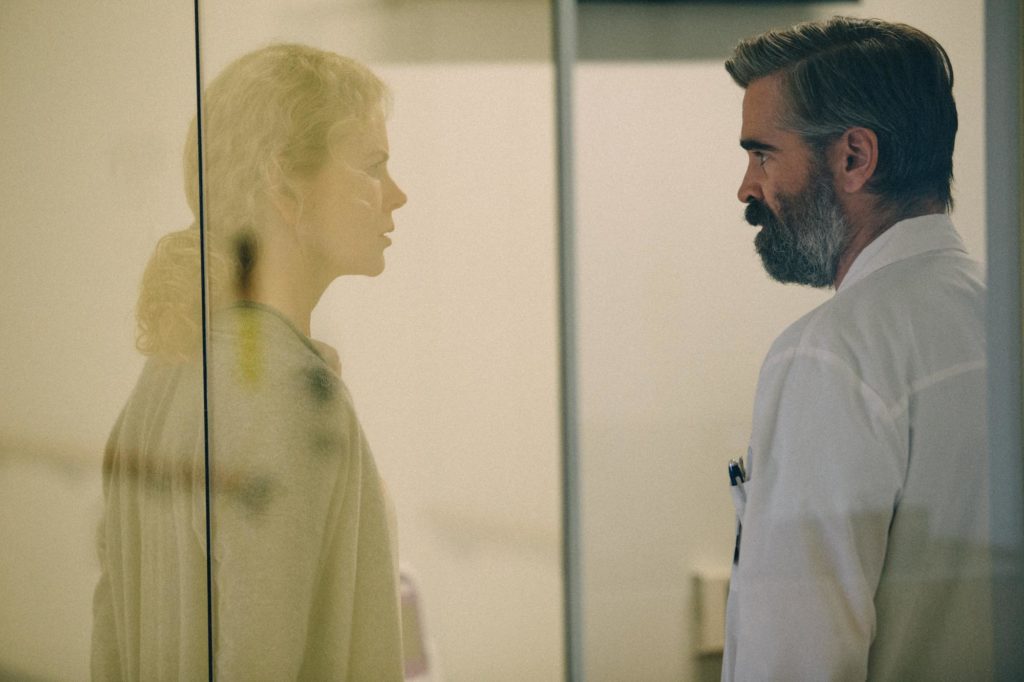 I’ll spare you the full preamble where I say how fast the year has flown, or that I haven’t been to the cinema as much as I’d have hoped, or that [current year] wasn’t all that great for films; in actual fact, I’ve seen some excellent films this year, in some cases from entirely unanticipated directions. On these lines, I never expected to enjoy a film so much that is based on Greek myth, blending horrible realism with farce and potentially supernatural elements. The Killing of a Sacred Deer is my first outing with director
 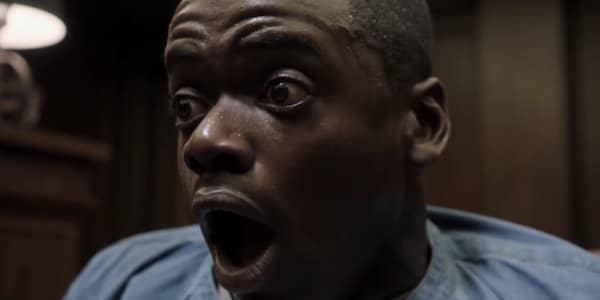 In one of those cases where I’ll just be adding my voice to the choir, Get Out is another of my picks of this year, and it actually has some similarities to The Killing of a Sacred Deer. Director Jordan Peele caused something of a stir on his Twitter feed recently when he declared that Get Out ‘is a documentary’. It isn’t, of course, if we’re to take him at face value at least, but it’s a seamless blend of social commentary and supernaturalism; the fantastic elements of the film lead it into conflict with realism, but in so doing, they underline a few distinctly uncomfortable truths about race in America in a way which only fantasy can really achieve. Daniel Kaluuya does a superb job as Chris, a black guy who just happens to be in a relationship with a white woman, Rose (Allison Williams). They’re about to visit her parents for the first time and he’s naturally a little apprehensive as to whether his race is going to be an issue. At first, the issue seems to be that they’re tripping over themselves to prove that it isn’t an issue whatsoever, which leads to some incredibly uncomfortable cinema as Rose’s dad insists he would have voted for Obama a third time, if he could. But for all their achingly liberal pretensions, the Armitages have black servants – black servants who behave decidedly oddly. As Chris finds out what’s going on, the horror escalates in a series of quite subtle but effective ways. Raising lofty and complex issues such as comparative power in society, though interweaving moments of comedy for some much-needed light relief, Get Out is an innovative and, I’d say, an important film, whose reputation will surely build and build. Me and Ben discussed our take on the film at the time we first saw it; you can take a look at that
 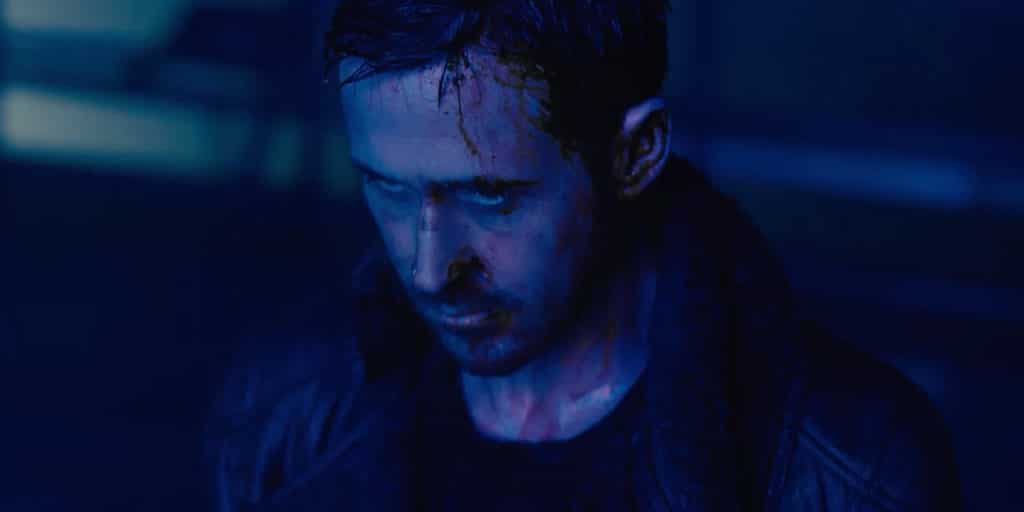 Here’s another of those ‘preaching to the choir’ moments, as I’m going to mention a film which has met with ample acclaim, and rightly so. Well, saying that, there were a number of people who seemed to feel that Blade Runner 2049 was ‘boring’. Ordinarily I can manage other people’s opinions, but that seems a bizarre assessment in my book. Blade Runner 2049 was the sequel we’d dared to hope for. In a world of tawdry remakes and pissant prequels, this entrant into the Blade Runner universe was absolutely superb. It asked questions, but it didn’t drag the audience right up to the thing they were meant to notice; from the importance of having a name, to the impact of commodification, to selfhood, to what constitutes humanity – it was all in there, but refracted through an almost silent and self-possessed main character, and a dystopian world which veered between garish superficiality and the drabness of a meagre, lonely existence. The most human relationships in the film weren’t between humans at all; humans clung to what made them ‘special’, but their own special status made them behave like animals. As for the film’s gender politics – another sticking-point for some viewers (as ever, it seems) – firstly, the film is under no obligation to show us an idealised future, what with being a dystopia and all; more to the point, it seems to me that in an overcrowded, desperate, but ultimately technologically-advanced universe, sex would be just another commodity, just as it is in countless places around the world today. An uncomfortable truth perhaps, but just another facet of the film’s uncompromising investigation into how people behave (allowing for the fact, of course, that no one is ‘just’ a sex worker in the film). Blade Runner 2049 is also an aesthetic and an aural odyssey, with something humbling happening on every beat. I for one cannot wait to see this film again when it gets its general home release in January, and if you’ve missed out so far, then maybe
 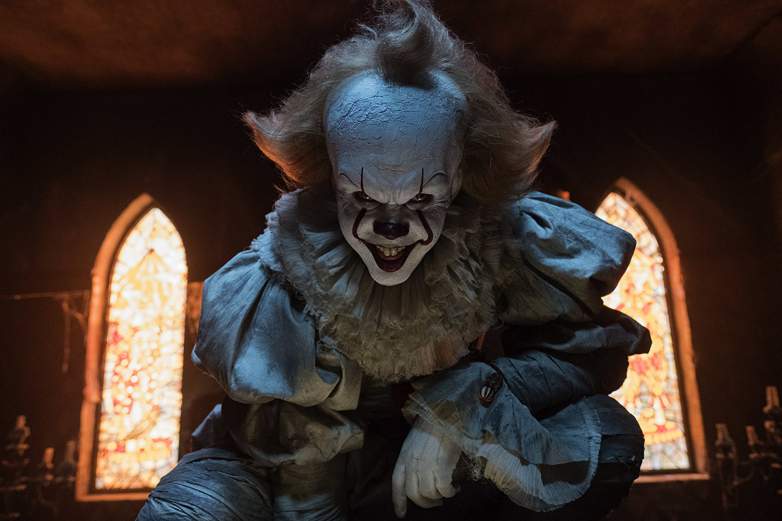 It’d be remiss of me to get to the end of this article without mentioning IT – probably the most straightforward horror film to make it into this year’s list, but an absolute romp from start to finish. No doubt this film was engineered in some respects to appeal to people of roughly my age who grew up during the 80s, but it’s a visual treat in any case, and there are good performances from the young cast to pit against Bill Skarsgård as Pennywise the Dancing Clown. Harder-hitting than the 1990s TV miniseries, and bleaker too perhaps, the new film still retains that level of fairy story type fantasy, where the boogeyman can clamber out of books, projectors, creepy houses to menace children, whilst their parents are completely oblivious to what’s happening to them. It’s a loud, proud horror film which doesn’t let up for its entirety. This is unashamed entertainment, which is sometimes just what we need.
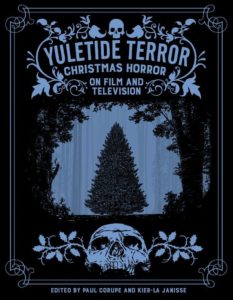 We go straight into the essays themselves – there’s no introduction and as such, no overall proposed direction – and we start where you may expect, with slasher classic Black Christmas (1974). Stephen Thrower, one of my favourite film writers, provides a detailed history of the film alongside what to me seems even more interesting, a wealth of accompanying comments on the film’s reception (there were some highly amusing comments in the press about the indecency of female characters swearing). Likewise, you would probably expect to see a feature on Silent Night, Deadly Night (1984) and the book fulfils that too: this material is engaging enough, though probably less interesting for me than other fare as I’m just not that into slashers (although fans of slashers often spend a great deal of time defending slashers against being simplistic, which is the case here too. Where you stand on that depends on your own tastes, of course.)
 An ancient curse, probably Chinese in origin, ran something like this: ‘May you live in interesting times’. It’s a wry old phrase. The insinuation is that when things get interesting, then it’s often a useful code for bad news, so via a play on meanings, and without saying so outright, it’s a hex that seethes with its true intent. Subtle, veiled…so it probably wouldn’t generate a Twitter storm or begin the only process which now seems to matter – breaking the internet.
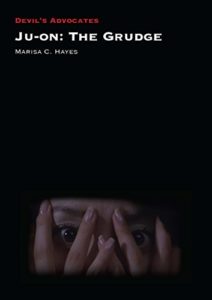 The Devil’s Advocates series is a collection of slim but studious volumes examining notable horror cinema: here, author Marisa C. Hayes takes us through an intimate, authoritative and long-overdue study of director Takashi Shimizu’s 2002 film. As Hayes notes, whilst Ju-on: The Grudge had a huge impact, it still gets less consideration in print than, for example, Ring. Placing the film at the heart of the rise of what’s known as ‘J-Horror’ here, Hayes builds a solid and readable case, showing how Ju-on both belongs to, and revitalises a tradition of ghost stories.
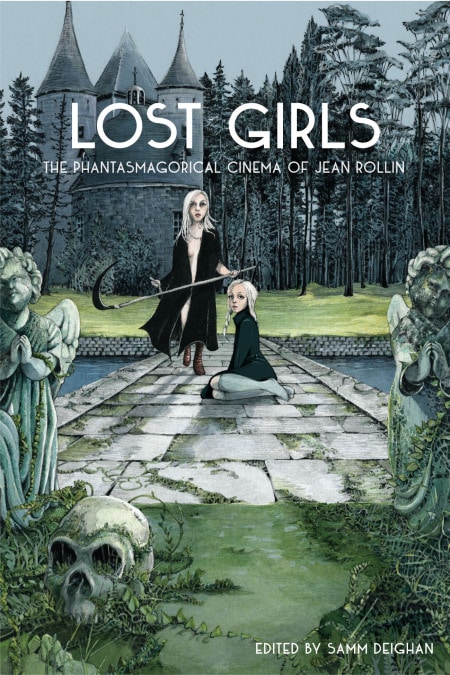 I first encountered the cinema of Jean Rollin via the UK’s Redemption Films, whose founder, Nigel Wingrove, became good friends with Rollin over the years; the film company deserves far more awareness of the great service they did by bringing so many of these films into the common consciousness in the Nineties, making the films themselves into an artefact worth having with an array of stylish, distinctive video covers marking them out. Until that time, any knowledge I had of the director’s work came via still images in magazines, and there it probably would have stayed until, in all likelihood, the films resurfaced – though probably not as well-presented – during the earlier years of the DVD revolution, when there was a real surge of hitherto-unknown releases. But however the films may or may not have made their way to our shelves, it’s taken some time for Rollin criticism to follow in print, although Immoral Tales first re-assessed Rollin’s work in the nineties, and more recently, David Hinds published his Fascination: the Celluloid Dreams of Jean Rollin. But is there more to say?
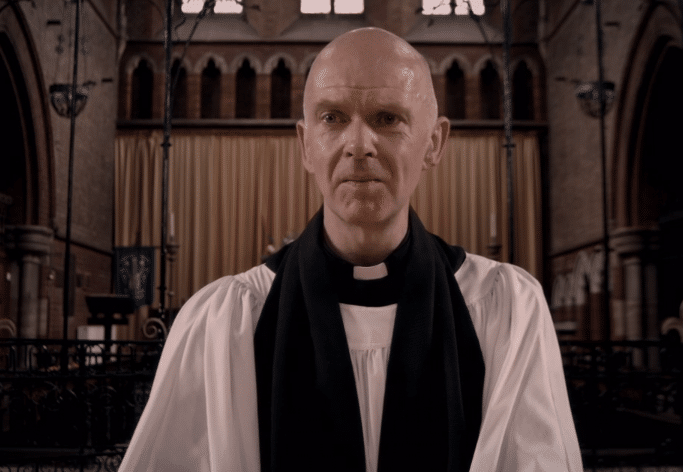 Vampirism is something monstrous, something impossible, but it’s a broad enough kind of monstrosity to mean it can be explored in a number of ways on screen. Unto Death, by director Jamie Hooper, uses the vampirism theme to explore a relationship, and how it is put under extraordinary pressure by the most extraordinary of circumstances. The resulting film is a subtle, but affecting piece of human drama.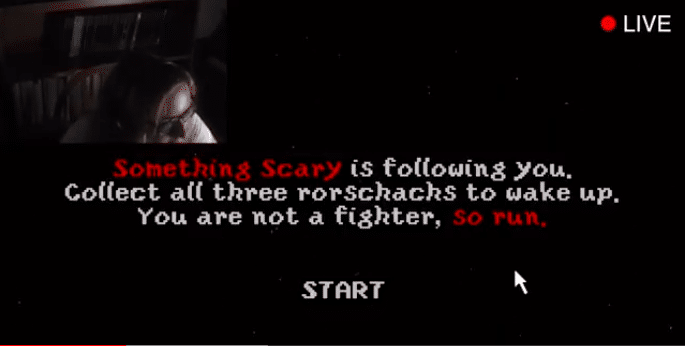
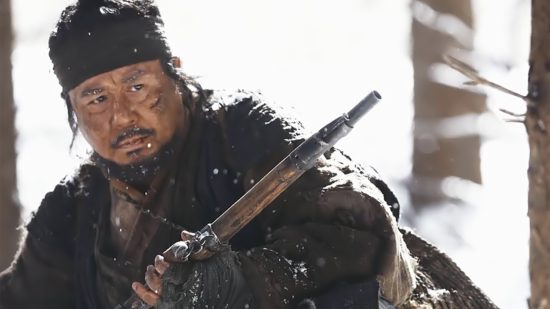 Sometimes a film self-consciously goes for the ‘epic’ tag, and it’s clear from the very outset that this is the case with Park Hoon-jung’s 2015 movie The Tiger. With its sweeping Korean vistas, Sturm und Drang musical score and lone figure set against an unforgiving world it clearly fits the bill, and actually that’s just fine: it’s a genre which seems to suit actor Choi Min-sik, perhaps best known for his work in the groundbreaking Oldboy (2005) which was in many ways an ordeal horror epic, when you think of it now, a decade or so on. However, in its painstaking attempts at detail in this rather artistic study of cruelty, the film is certainly an epic-length two hours, forty minutes in duration. This is more and more the trend in cinema these days, but I strongly feel that The Tiger could have curtailed one or two hunt scenes, for example, and retained or even improved much of its impact.
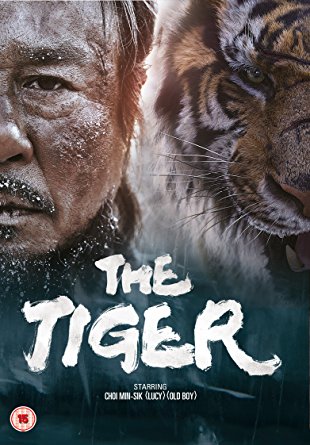 This whole ‘man vs beast’ aspect of the film feels rather like The Revenant in places, a film which is its 2015 contemporary. Unlike the outraged mama bear in The Revenant, though, the ‘Mountain Lord’ here is more than an animal in many respects; the film plays fast and loose with animal realism in its (well-utilised) CGI sequences, and although the film is unsettlingly gruesome in its hunt scenes, there is a certain level of disparity of threat here too, as on occasion, the tiger becomes semi-mythic, something akin to a moral arbiter of the characters, killing savagely sometimes, but interacting rather differently sometimes. This shifting identity is something of a sticking point in the first half of the film; it’s not clear, for much of this time, what the tiger actually is. Still, eventually, a parity is created between the hunter and the tiger, which makes ever greater sense as the narrative progresses.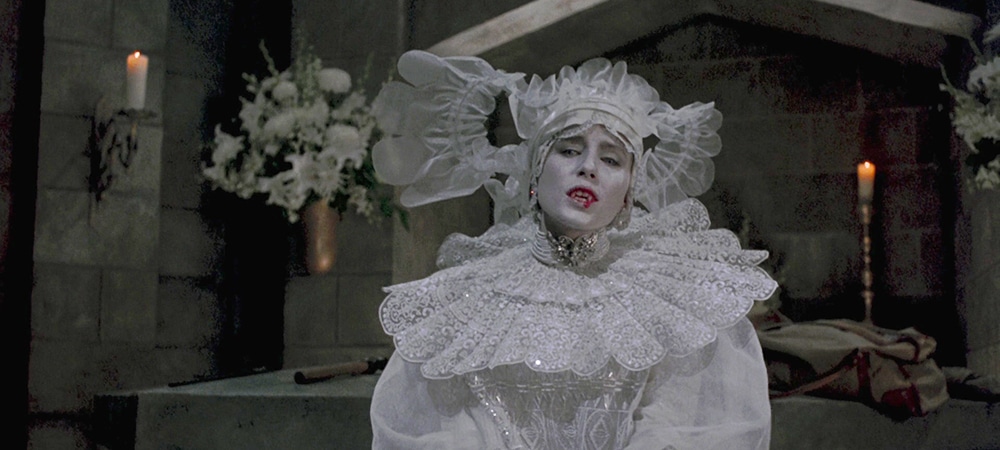
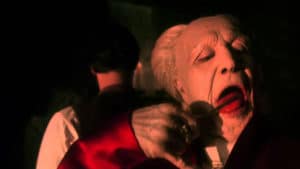 I may as well be blunt here: it’s a notable book for many reasons, not least of which in how it’s generated so many more creative works down through the years, but I don’t think Dracula is a great novel in itself. The epistolary frame is interesting in terms of structure, and it’s cleverly pieced together, but this keeps readers at a distance from its protagonists; certain characters descend readily into farce (and are played faithfully as such in the film!) and there are a number of thankless questions, making the novel feel a bit like a whistle-stop tour of a fascinating place where you never have long to pause and look about you. Francis Ford Coppola’s Dracula adds some sense and coherence to all of this by motivating its monster with undying love, but it doesn’t then abandon the effective and horrifying scenes from the book, either. Some of these – the creature turning into multiple rats which all flee, the still aged Dracula licking Harker’s blood from a cutthroat razor or impossibly scuttling down the castle’s steep walls – have lost none of their power. It’s these contrasts that allows the audience to see a fully-fleshed antagonist; to feel some ‘sympathy for the devil’, or at least sympathy for a damned being. Against the luxuriant add-on of what’s effectively a reincarnation based love story, it’s an absorbing array of contrasts.
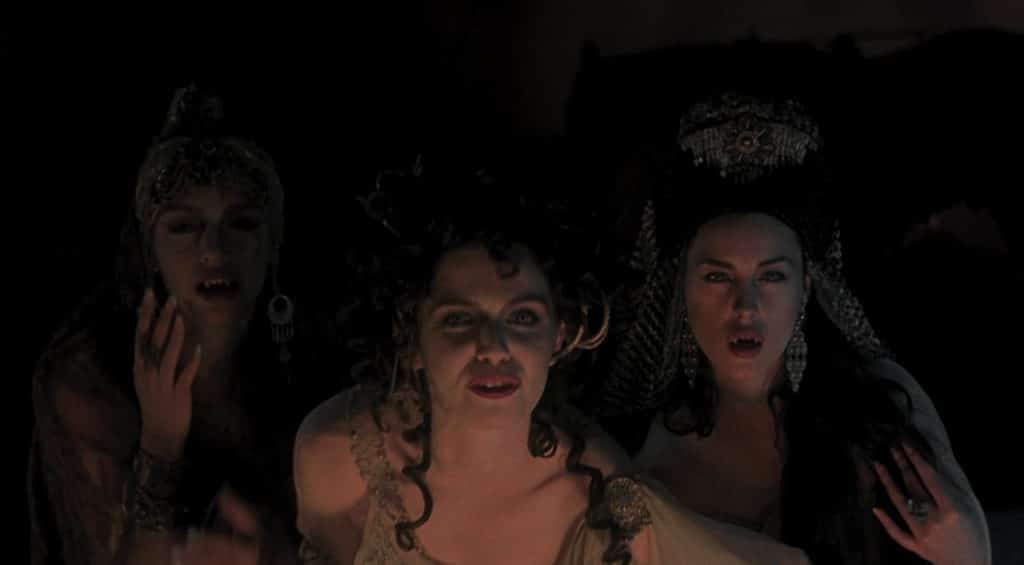 No one can ever accuse Coppola of shying away from things which could only ever be alluded to in 19th Century fiction. The Carmillas and Draculas of the day afforded the tantalising scope to be salacious, but likewise the sexual mores of the day meant calling things to a halt not too long after introducing this possibility of sex, couching even these supernatural encounters in veiled words and glaring omissions. Compare that, to give just one example, to the ‘Dracula’s Brides’ sequence in the 1992 release. Okay, even if the blood-sharing scene between Mina and the Count holds back to an extent (though still sending a million hearts a-flutter, no doubt) then the unholy trinity who make Harker their foodstuff/plaything must have been quite an education for more than a few young men – or women, for that matter. After that, we should be a hell of a lot more understanding as to why Harker’s speech sounds a little off. Then there’s what happens to Lucy Westenra, which is recounted as a ‘mystery illness’ in the novel, but is rendered overtly sexual on screen, in a series of eroticised, if dubiously consensual encounters – in one of which Oldman was advised to whisper scandalous nothings off-screen to actress Sadie Frost in order to encourage her to writhe appealingly. Coppola always intended his film to have this kind of sensory overload, storyboarding about a thousand scenes altogether and insisting that the costumes, alongside the mise-en-scène, underpinned the whole.