RIP Guy N. Smith

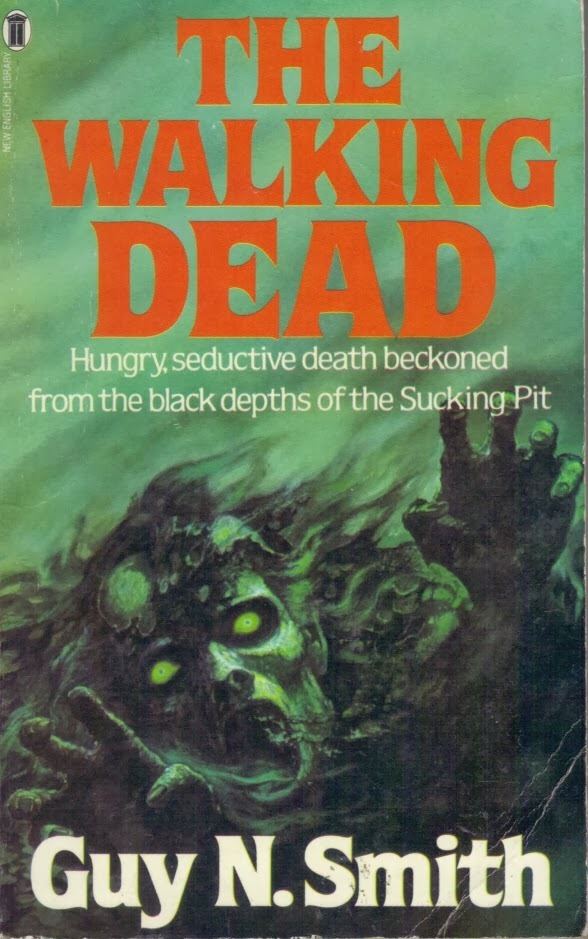
It’s very sad to hear of the passing of Great Britain’s very own pulp horror legend Guy N. Smith. And yes, I do think that ‘legend’ is an appropriate term here. I’m ready to believe that Smith’s long writing career never made him a particularly rich man even if he did, happily, do well from the 70s horror paperback boom, but his fan following was and is a very dedicated one, and for good reason. Many of us think we’re quite something for turning out a book, or maybe a few books; Smith penned over a hundred titles throughout his career, many of them incredibly lurid, often wacky horror tales which balanced entertainment against creativity.

On more than one occasion, Smith’s writing style has been held aloft as an example of crass or insensitive work; certainly, some of his sexy-time dialogue between men and women could raise an eyebrow, and once you’ve gone for the full Sucking Pit experience, you never go back. But my god, isn’t that preferable to being bored by what you’re reading? Books and horror are allowed to be fun, and these are fun. They’re stories which move at pace, too. Nor can I really name a genre of horror to which he didn’t turn his hand at some point – werewolves, insects, zombies, witchcraft, slime beasts… I somehow amassed a sizeable collection of the most glorious 70s and 80s paperback editions of Smith’s when they were (shamefully) about to be thrown away, and I still have all of them. You know what you’re going to get when the book is titled Night of the Crabs. You’re going to get skinny dippers, obviously, and these will be killed by…killer crabs. It’s a glorious certainty in a world which offers sadly few certainties, or indeed killer crabs.

In his somewhat quieter later years – there was another Crabs sequel last year, after all – Smith was probably better known (in a mark of true British eccentricity, one might say) as an aficionado of pipe-smoking. Not only are you just now probably learning that Britain has a pipe-smoking championship, but know this: Smith won it in 2003, by keeping his pipe lit for 98 minutes in total. He wrote about his passion for smoking, as well as contributing to The Shooting Times and The Countryman’s Weekly during the years when print media, particularly pulp print media, dropped out of fashion. It will be to my regret that I never made it to any of the Guy N. Smith conventions – held at his family home, no less.

By all accounts a decent, hardworking man who valued his fans immensely, Guy N. Smith’s horror writing perhaps belongs to a simpler time, when you could just tell a rollicking story and be done with it. Now that nearly his entire body of work is available on eBooks, more people can come to it and appreciate it on its own terms, and I sincerely hope they do. More Guy N. Smith, less 2020 please. Incidentally, his last blog post reminds us that he once wrote a novel about the spread of a dangerous disease which spread via bats…

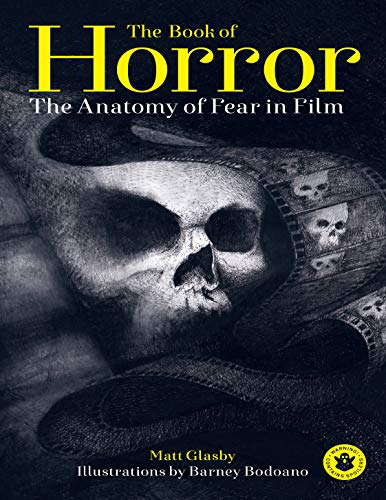
The Book of Horror by Matt Glasby

I’m afraid Matt Glasby’s book came to me via a place of great perplexity, but one which hasn’t ultimately done it any harm. When first approached to cover it, I happened upon an inexplicably angry review of the book by a woman who, in a similar vein, had angrily reviewed a Kate Summerscale book because it had ‘knocked her belief in poltergeists’. The internet is a fascinating place, let’s agree, and somehow the scathing review piqued my curiosity more than a positive review would have done; happily to say, The Book of Horror is a fine read with much to recommend it. There are lots of horror reference books and there’s lots of fan writing, but The Book of Horror distinguishes itself by trying to get to grips with what, exactly, horror is and how we relate to it.

This is done through a series of 34 film articles; these are, for reasons which are explained, all post-WWII titles, though actually the majority of them are post-2000, and otherwise a mixed range of styles and genres. Glasby spends time explaining his rationale for inclusions in the introduction, and there is a list of ground rules which he elected to follow. This is fair; having a process is an interesting approach which goes beyond liking/not liking a film, though that said, the emphasis on pure scares is relaxed when we come to the suggested further viewing which appears beneath each major inclusion – with titles like Red, White and Blue being recommended. There are some really interesting films in the suggested viewing, though, which go beyond the more ‘classic’ horror titles reserved for the main features: this ensures variety, and whilst I think you could quibble on some additions in terms of links to horror itself – okay, Red, White and Blue as an example – overall, we get a solid range of horror titles.

So how, therefore, do you evaluate the kind of horror itself, and its effects on viewers? This is a central feature of the book, and Glasby has devised an intriguing infographic-style approach to help to ascertain this, introducing seven ‘scare tactics’. These relate to the structure of the films themselves (such as how shots are composed and how this makes audiences respond), visual and aural cues, and other aspects which impact upon certain emotional responses. These then appear alongside each film in varying balance. Of course, tastes in horror are always in the eye of the beholder – but this is a considered exploration of method, and a worthwhile attempt to stratify and support the films which have been chosen. Additionally, with each concise, knowledgeable and well-written article comes a unique timeline indicating key moments in each film. Plot reveals are included, mind, so be careful if any of these are as-yet unseen titles (unlikely, but you never know). As a final note here, it was great to see Lake Mungo (2008) getting such a warm mention.

The Book of Horror: the Anatomy of Fear in Film is an interesting, entertaining read which condenses a lot of information with some novel approaches and means of doing it. You can find out more about the book, including how to purchase a copy, here.

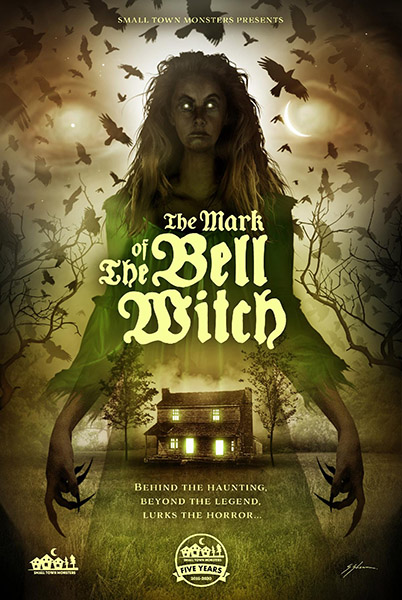
The Mark of the Bell Witch (2020)

Alongside the Borley Rectory haunting, the story of the ‘Bell Witch’ (or the ‘Tennessee demon’) is one of those stories which made a big impression on me when I was a child, something I first encountered in a ‘mysteries of the unexplained’ compendium and which I’ve reflected on ever since with a mixture of fascination and horror. But just what is it about this story which has given it such longevity? Such reach? Documentary film The Mark of the Bell Witch (2020) both explores the story and attempts to answer that question, and it makes for an engaging watch overall.

The film itself starts with the deathbed scene of John Bell in 1820, a gentleman farmer whose family had for years been apparently afflicted by a peculiar kind of haunting. It’s chaptered – every independent film seems to be chaptered these days – but the film goes back to the birth of the phenomena, from the knocks and rapping which the family first noticed, to the appearance of strange animals on the farm and then the disembodied voice of what came to be known as ‘Kate’, an entity which could apparently discourse on scripture with members of the community, as well as taking an active interest in the activities of the family. There really isn’t a story quite like this, in the sense that the Bell Witch haunting seems to draw in key supernatural tropes but then builds on them, extending them in ways which seem completely implausible. The ‘witch’ is by turns a poltergeist and an omniscient being, a recognisable ghost which behaves like ghosts are renowned to do, and then again the phenomena also encompasses cryptids, the whole ‘Indian burial ground’ folklore and notions of a generational curse. Describing all of this we have a range of local experts, authors and folklorists who offer insights as to how the story has survived and thrived as part of the fabric of Tennessee culture.

The film is decently-edited, blending interviews with period re-enactments (which largely work well, one curious wig notwithstanding), illustrations (contemporary and modern) and photos, which contribute towards the sense of place which is a vital plank of the film overall. There’s some narration too, with some accounts written by members of the Bell family being read aloud. In a nutshell, there’s plenty here to keep the attention and a few scenes worthy of a horror film. The film’s dispassionate treatment of its subject matter actually makes it very unsettling, actually, and it is still a scary tale. Some of the scenes – the point in the story where the Bell family reported hearing choking and gurgling at the foot of their beds, for example – are genuinely unpleasant; how could they not be? All of that being said, I do feel that the film’s attempts to really get under the skin of what makes this legend so enduring isn’t wholly there, and there is still a great deal of scope to explore it further. For instance, there are so many contemporary accounts of people visiting the farm and conversing with the ‘witch’ herself; was this a mass delusion of some kind? How did people at the time account for it? There are still questions to explore, and whilst the film does touch on these, there are still some points where I would love to know more.

However, regardless of the fact that The Mark of the Bell Witch doesn’t quite get to the heart of the story, it’s a diverting watch nonetheless and it was certainly interesting to hear it being explored from a folklorist perspective, as it is here. If you have an interest in the legend, then you could do far worse than give this film an hour and a half of your time.

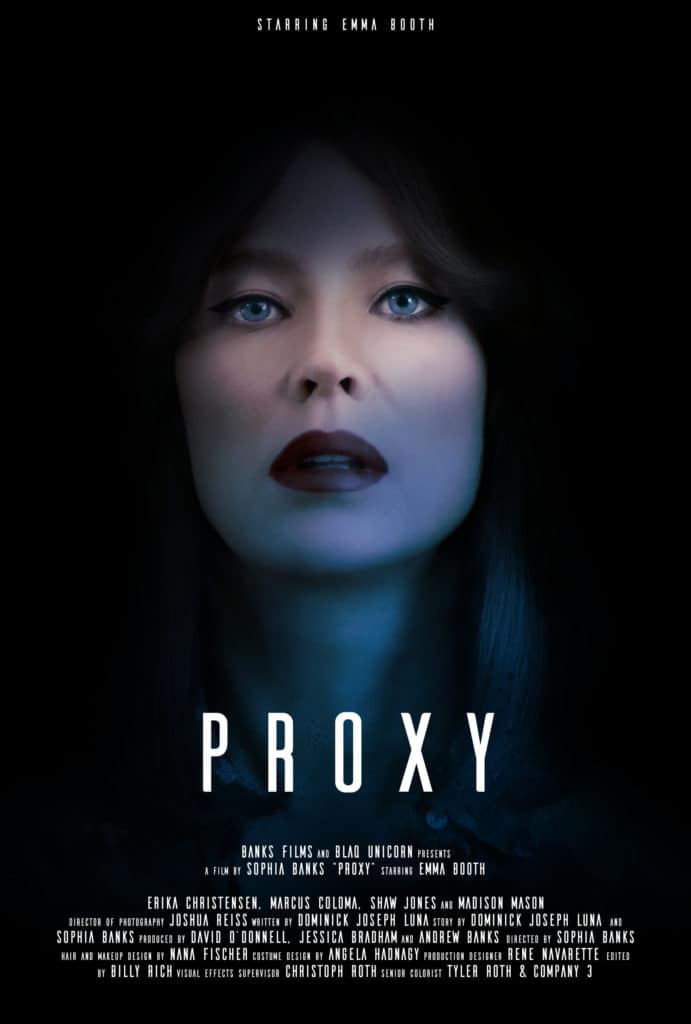
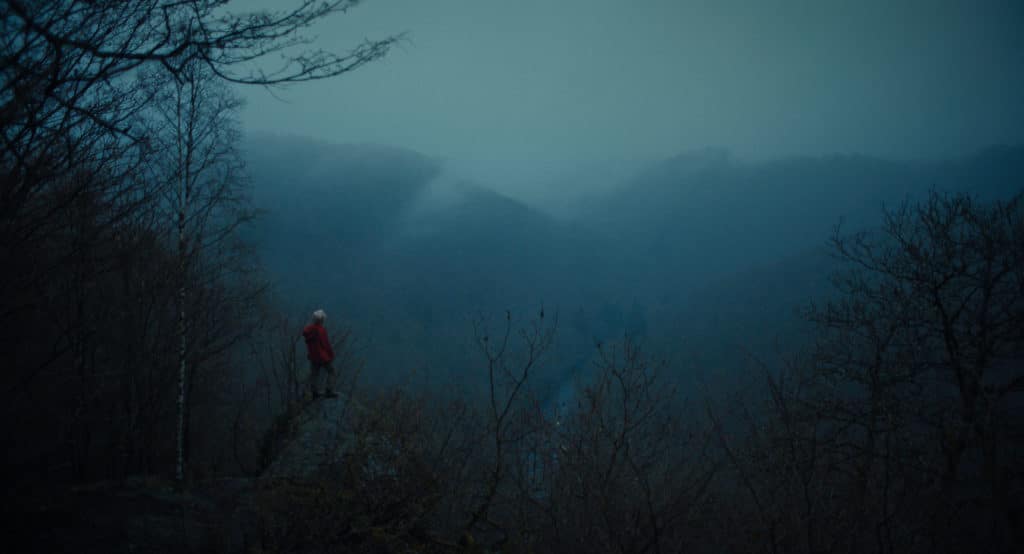
Proxy (2020)

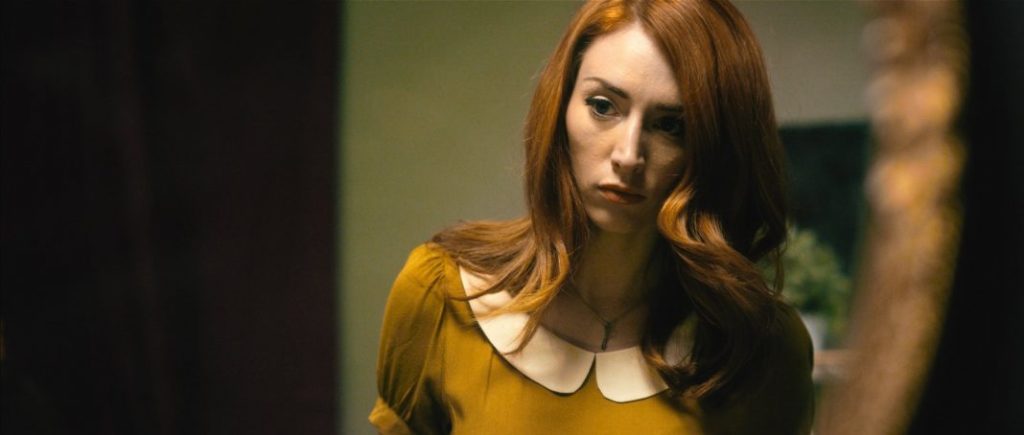
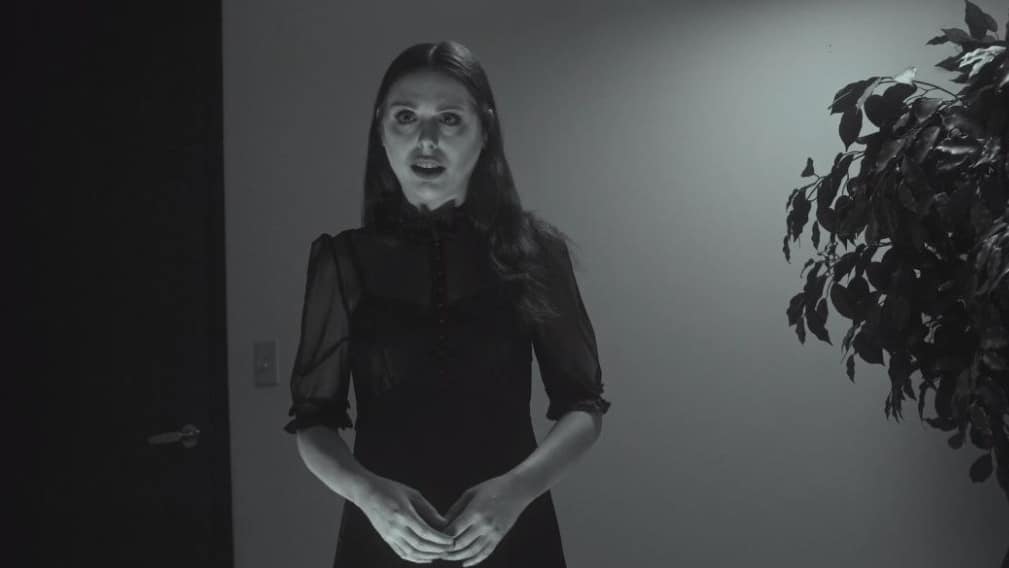
If you could have back a moment in time – to say something differently, or to ask something you never asked – would you? Or, if you could tell someone in the here-and-now what you really think of them, or what they did to you – would you? That is the central premise behind short film Proxy (2020), a subtle, clever and cruel film which teases out ideas and dilemmas which are certainly not a million miles away from our day to day lives now. In this sense, it’s not quite a dystopia; it’s too current and, in its way, too plausible for that.

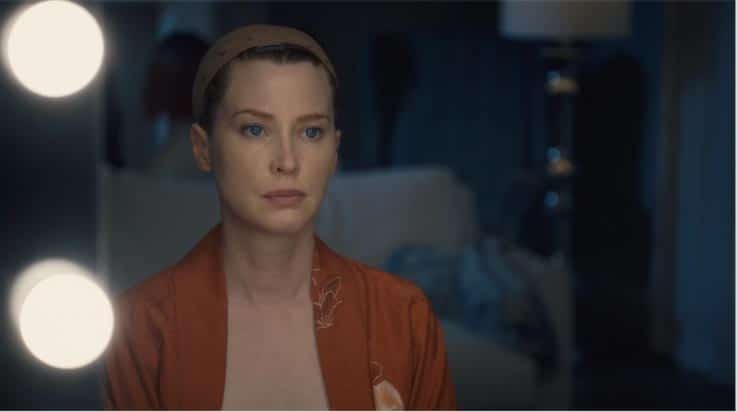
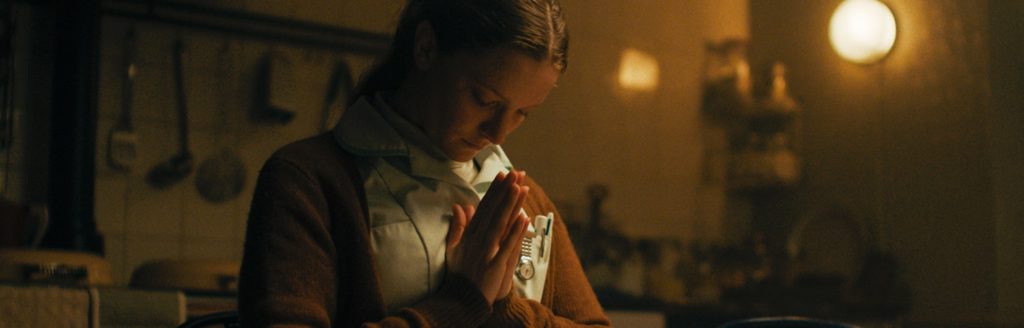
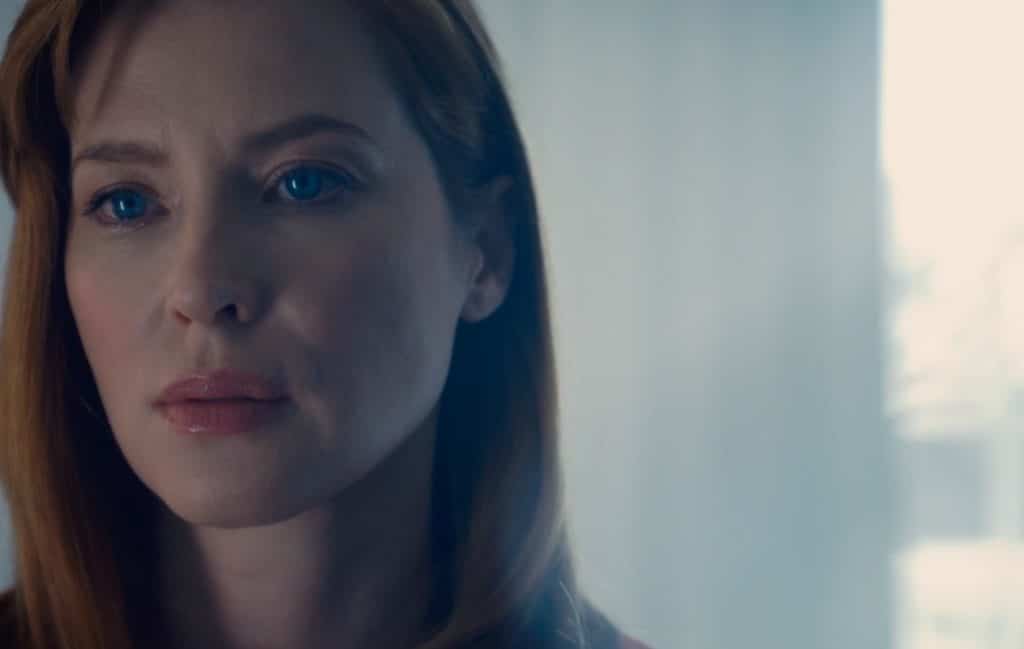
We are filled in on the fact that ‘Proxies’ are real people trained to assume, for a short time, any necessary personae needed in their clients’ lives. Mothers, ex-partners, current partners – you name it. By 2024, when the film is set, this is a global brand, now offering its services in LA. One such Proxy is known as number #7527 (Emma Booth). When we are introduced to her, she’s sat in a room in disarray, the trappings of assumed personalities strewn all over, and she’s learning lines: Proxies learn scripts for sessions with their clients. #7527’s clients are only known to her by scenarios and first names: ‘Christopher’, Stanley’. She performs this live-action therapy in a consummately-professional manner; day on day, these mini-tragedies unfold with stark regularity. A script learned. A memory faked. A session over.

The Proxy herself almost inevitably skirts close to harm given all these moments of high intensity being played out, but it’s clear that when a certain big job comes along with a special request boundaries get blurred in a potentially dangerous way. Proxy is a film which, despite its novel elements, plays nonetheless with age-old concerns of selfhood and authenticity; if you make your living on ‘bad faith’, then where are you – and is there an undisputed version of you? How do you tell?

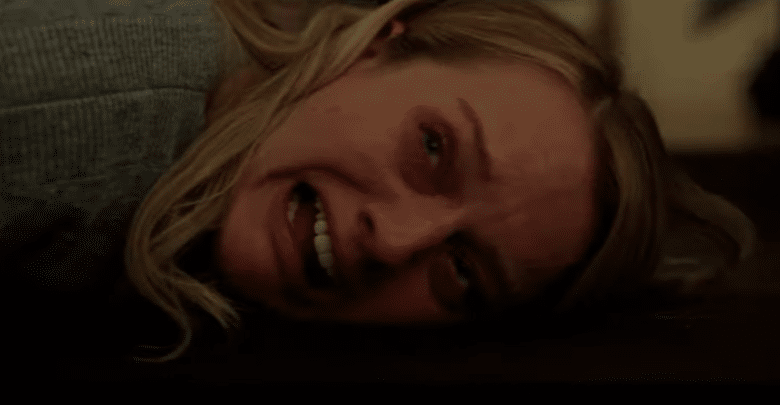
The detached demeanour of actor Emma Booth during this film is quite something to behold. When she mouths her lines and prepares herself for sessions with clients, she has little more emotion that the female being in Under The Skin (2013). In-role, she emotes, sure, but in a creepy, stylised way. It’s clear that there’s nothing of her personhood in her job, and it takes an off-script experience to get a glimpse of anything deeper down; this, in itself, causes a crisis. Clever little touches in the film – such as a doctored photo in a frame, changed to present the revised normality the client wishes to believe in – bolsters this feeling of unreality.

In some ways reminiscent of Black Mirror, Proxy shares with that TV series a sense of ever-diminishing distance between reality and fiction. And it’s perfect for a short-film format, offering just enough to its audience to leave a few questions – just as good short films always should. This is a dark, well-constructed glimpse into a disturbing, plausible world.

The Bloodhound (2020)

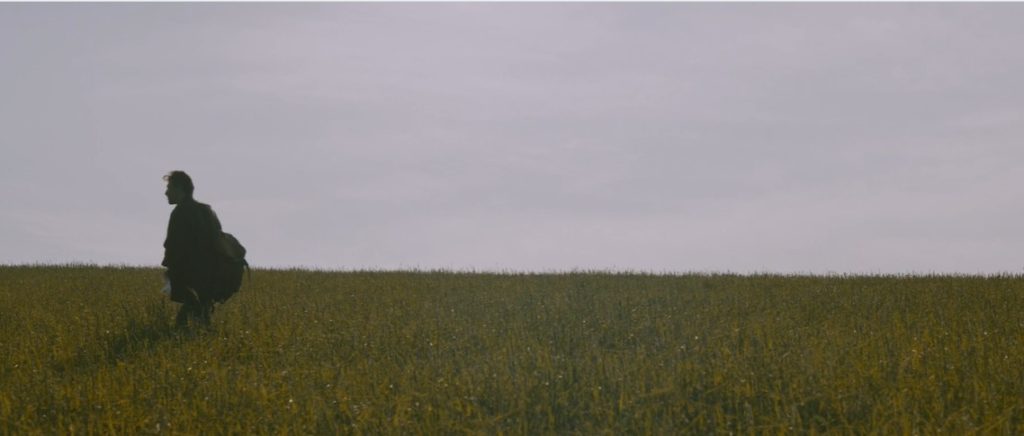
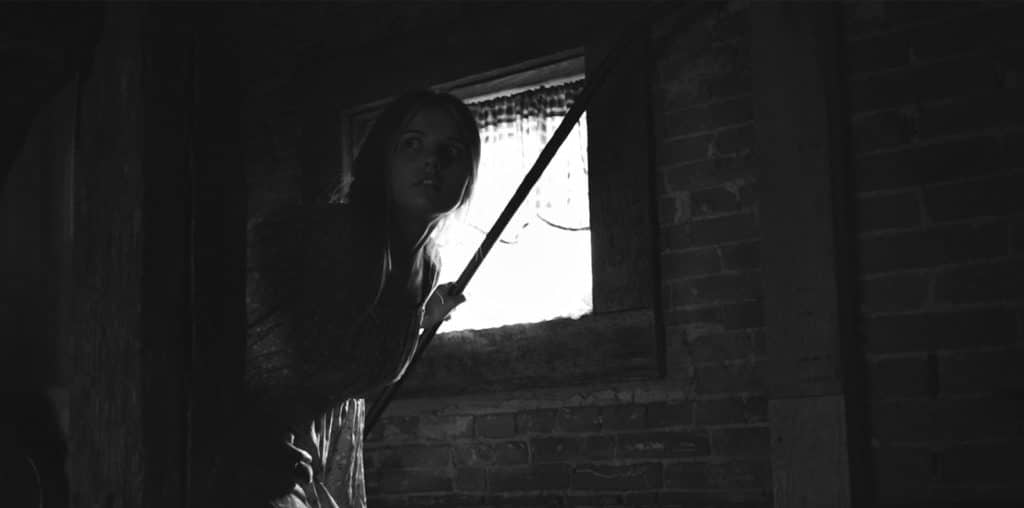
If ever you’ve wondered, deep in your heart, what an experimental/arthouse spin on The Fall of the House of Usher would look like, then wonder no further: The Bloodhound explores similar themes of warped family dynamics, fatalism and isolation, though by coming at it in an ultra-modern location with a low-exposition, dialogue-lite story. A first feature film by director Patrick Picard, this clearly isn’t the style of film you make by accident. Accordingly, I don’t know whether to applaud his single-mindedness, or ask more questions.

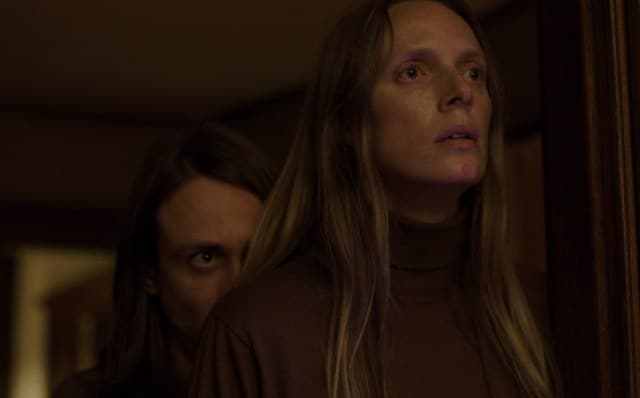
As per House of Usher, a young man, Francis (Liam Aiken) arrives at a large house after hearing from his old friend Jean-Paul (Joe Adler), who wrote him a note requesting his company. He’s a little perturbed by the front door standing wide open, but he’s soon reunited with J.P. and they talk…warmly? They talk. And, as they talk, it’s revealed that these two haven’t seen each other in a decade. J. P. reached out in a fit of loneliness; it seems he’s been labouring under various neuroses, alongside his hitherto-unseen twin sister, Vivian (Annalise Basso). If anything, J. P. explains, Vivian is even worse. It’s a strange set-up, but Francis agrees to stay.

It’s quite a house – that kind of vast, minimalist space which always makes me side-eye my stacks of books and papers a little guiltily – and it soon has an impact on Francis which makes him feel as disorientated as his companion seems to be. The divide between sleeping and waking becomes blurry here; J. P. seems to encourage this confusion, but then again, it’s never truly made clear whether the house does have some sort of life beyond itself which has an impact on its inmates, or if it’s all the inmates. Events take a turn when J. P. reveals that he’s had all of Francis’s worldly possessions brought out of storage and to the house, without being asked to do it. Curiouser and curiouser. The two men’s relationship seems to grow more off-key, with more questions than answers, and it’s unclear who’s duping who; meanwhile, Vivian remains an unseen, intangible presence in this place.

The Bloodhound is what I’d call ‘a peculiarity’. It’s languid, it never gives us any denouement and as such, it’s quite difficult to call it a narrative as such. Tantalising hints – the symbolism of ‘the bloodhound’ himself – are quite easily explained away in the end, whereas the conversations between Francis and J. P. never seem to reveal very much at all. There’s nothing naturalistic about the way they talk and what they say is, essentially, the entire film: high in the mix, the speech dominates the rest of the sound design. So it’s dialled up, but also quite ponderous, even turgid. Again, this was obviously a directorial decision, and I rather wonder if Picard was going for the kind of stylised conversation which you often encounter in arthouse cinema. Fair enough, if so. This kind of thing isn’t for everyone, and it pushed my tolerance in places. Probably the film’s most interesting aspect is in how it questions whether, in these hyper-connected times where a person has access to everything they could ever need, a person could ever again be as cut off as, let’s say, the Ushers. And of course, they can: J.P.’s rationale for never leaving the house comes at least partly from the horrors which he hears on the news; he talks a few times about ‘connectivity’, even though he eschews it. We never see anyone here accessing the internet or similar, but it’s clearly there.

There’s no doubt that The Bloodhound is an attractive film with a keen eye for attractive shots and lighting. The two male leads do fine, albeit they are not given a tremendous amount with which to grapple, and it’s a shame that actress Annalise Basso is more or less absent (though, yes, I get it). This is, though, primarily a dour mood piece, and your engagement with it will likely come in large part from your knowledge of and your enjoyment of Poe.

The Bloodhound is available now on Arrow.

Anything For Jackson (2020)

Anything for Jackson is a horror film which clearly starts as it means to go on – offering drastic, sometimes bizarre contrasts between humdrum suburban life and an occult storyline which is recognisable, but no less OTT for it. The resulting film is like a mash-up between Hereditary (2018) and Inside (2007) – make of that what you will. For me, despite the fact that it becomes less able to keep the surprises coming as it nears its close, it’s nonetheless a very entertaining, grisly feature with more than enough ideas to hold interest. It manages that rare skill of balancing dark humour against some pretty gruesome content, too, achieving that tonal balancing act which gets away from so many films.

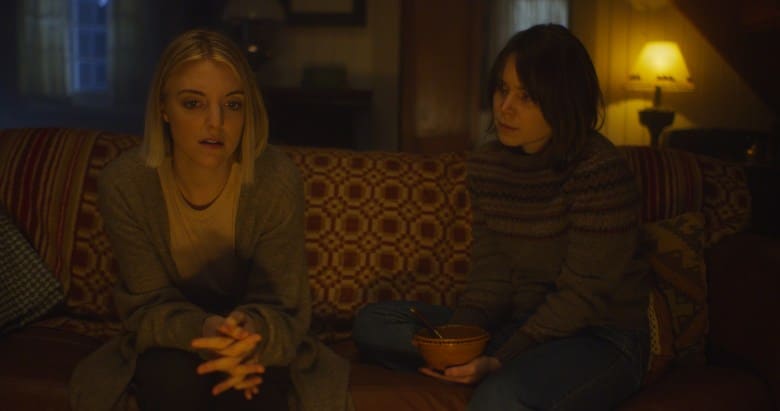
The older couple whom we meet as the film begins – Doctor Henry Walsh (Julian Richings) and his wife Audrey (Sheila McCarthy) seem to be at that stage in their lives of humdrum domestic happiness – that is, until their morning is disrupted by the delivery of a distraught, heavily-pregnant woman, whom they gag and chain to a bed upstairs; this is clearly part of a plan which they’ve been formulating for some time. Hmm. This being done, they’re back to dignified ‘normal’, or at least, the appearance of it. Reading a statement to the young woman, Henry’s patient Shannon (Konstantina Mantelos), they explain that their plan is to bring their deceased grandson, Jackson, back. Back? Shannon queries who the little boy sitting in the room is, then. It seems that, even before the plan is put into action, something is not right with this house – and the occult content of the film’s plot is about to take a significant hike upwards, as it transpires that the Walshes are going to invoke demonic forces, to try and reincarnate Jackson into the body of Shannon’s unborn baby.

Of course, the film doesn’t exist where intoning in an archaic language from a mysterious book ends well, and cinema would be the poorer if it did. The film fills us in on elements of the back story after the event we begin with, and if done well as it is here, it’s a pleasing way to structure a plot. It also allows the film to mete out its nastiness – which is very definitely in there – mixing it in with more humorous aspects, and the more humanising aspects too. Whilst the film doesn’t dig too deeply into the human psyche, there’s enough characterisation here to assert that there is more going on here than simply a re-tread of Evil Dead-style tomfoolery (a film which we all love, sure, but which lacks anything really resembling a back story). As the film unfolds, the growing evidence of what this loving, if deeply-damaged pair has done badly wrong leads to some genuinely appealing horror sequences, and where the film initially leads with its occult horror tropes (the grimoires, the pentagrams, the rituals) it transforms into more of a ‘haunted house’ movie, but this doesn’t feel like a bad fit at all. Rather, thanks to a handy plot reveal, the haunted house motif makes sense. A few of the successive scenes successfully made me squirm, too, being as they are a solid blend of splatter and spooky.

It’s interesting seeing how this pans out around three main characters who have barely any concept of what’s going on. Motivated by grief, the film successfully gives the impression that Henry and Audrey have never done anything illegal or immoral in their lives before this point; now, driven by their grief, they are an odd fit for the lunacy unfolding in their home. In places, some of the shifts between chintzy normality and the forces of hell are a little obvious (Audrey making tea straight after a demonic encounter is really driving that point) but, largely speaking, they’re plausibly bewildered, desperate people who are also dangerous, and – essentially – to blame. The film’s more serious subtext is absent families, whether through bereavement or estrangement, just played out with the kind of grotesque excess at which horror excels. And at the heart of all of this is Shannon: I will admit raising an eyebrow at yet another woman in horror whose impending motherhood conveniently eclipses her personhood. I’m also surprised that I’ve read some reviews of this film commenting warmly on its novel plot, as for me this is hardly a film without some precedent. Rather like Rosemary’s Baby (1968) we’ve another horror here which rests on the proprietorial treatment of a pregnant woman. Thankfully, Shannon has enough about her to fight her corner – or, at least, it seems that way; I’d be interested to see what other viewers made of some of the final ambiguity…

Minor quibbles aside (I didn’t really get started on the metal-incel-occult stereotype who pops up) I really did enjoy this film. It’s a kind of gory parable, a cautionary tale about meddling with those pesky demons which more than deserves its place amongst the best of the horror films which have followed a similar story arc.

Anything for Jackson (2020) is available to watch now on Shudder. For more information on how, please click here.

Girl With No Mouth (2019)

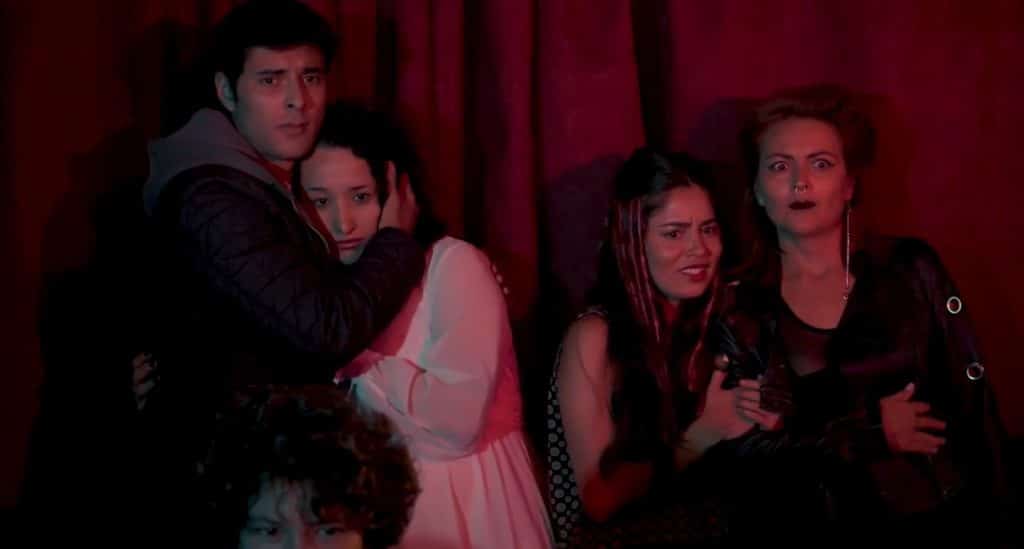
I wasn’t sure what to expect from a film with a title like Girl With No Mouth (2019). It sounds like something from exploitation cinema, akin to They Call Her One Eye (1973) or even some kind of body horror. Given that this film is directed by Turkish director Can Evrenol – who brought us the lurid, squalid terrors of Baskin (2015) – it seemed even more likely that this newer film would wind up being horror, or sci-fi, or something similar. Almost needless to say, given this preamble, Girl With No Mouth has little to nothing to do with exploitation cinema, or horror. Nor, even once the dystopian setting is explained, does it feel particularly like a dystopian film either. I sincerely hope that neither the title nor the lack of post-apocalyptic sprawl (nor the presence of a talented horror director, for that matter) will mean this film lands with the wrong audiences, because that would be a shame: this is a quirky, often sensitive adventure movie, an oddly warm take on a dystopian setting where the dystopia could almost be totally excised. Let me explain.

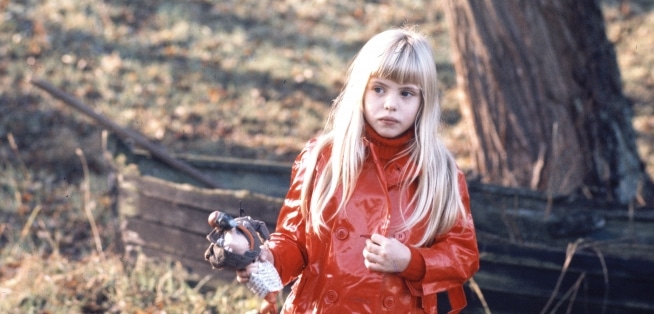
The post-apocalyptic setting is explained first and foremost by some on-screen text, which tells us that the usual things have been going on which bring a situation from pre- to post-apocalypse: foreign wars, a corrupt, powerful Corporation which has foisted itself upon Turkey, and a ‘great explosion’, which seems to be behind a spate of birth defects. In a remote house, little Perihan (Elif Sevinç) lives alone with her father (Sermet Yesil). Peri herself has a birth defect – yep, she’s the girl with no mouth, a facial deformity which she hides beneath a red face covering. Her father has taught her three key rules to keep her safe: never cross the river; keep your bag with you; run if you see people. This is advice which she can soon only partly follow thanks to the arrival of Corporation employee, uncle Kemal (Mehmet Yilmaz Ak). He warns her father that the Corporation have a master plan to impose a new ‘peace’; it involves purging those with defects like the one Peri has. Baba has the option to hand her over, and save himself. Needless to say, this he cannot do.

Peri has to flee across the river which she was warned about, but she cannot avoid other people for long. Luckily for her, it’s a group of children, the ‘Pirates’, all of whom have some kind of physical defect themselves. Now a team, those who wish to impose this new peace – led by Peri’s uncle – soon pursue them out of their hiding place, forcing them to head for the so-called ‘Lost City’ to find safety.

The plot here is a fairly simple one, and facial deformities notwithstanding (the film stretches itself very thinly when it tries to show us its SFX) this could take place anywhere in time or in any place where children are unprotected and so must look after themselves. I mean, Peter Pan, duh. One of the first films which came to mind, albeit minus the magic realism aspect, was Tigers Are Not Afraid (2017), a very recent film where, largely, the same thing happens: a little girl flees into an alien, contested space where she needs the friendship and trust of a group of other rootless children, themselves the targets of a group of corrupt, cruel adults. There are countless other films where children’s friendship and adults’ wickedness are brought into conflict. Do we really need the dystopian aspect here? Well, it’s an attempt to add interest to to the framing narrative. It also creates a reason why each child is deficient in a sense, whether sight, speech, smell or hearing, which adds to the notion that, by working together, they create a unanimous whole – but the wicked uncle, the unfair fight, the chase – these are as old as the hills. In terms of how the setting looks, much of it is actually sylvan, pleasantly green rather than Fallout 3. When the children move on, they do encounter ruined buildings, but it’s not in some towering metropolis and still looks rather gentle.

So much for that. But there are some real strengths here, things which make this film an engaging watch. Evrenol knows how to direct, and he certainly knows how to frame a shot, pick a location, and cast a film: Girl With No Mouth belongs to its young cast, and full credit to Elif Sevinç who plays her part non-verbally, but still manages a convincing, often touching performance – as do the rest of the ‘Pirates’, and there are some very warm scenes; a blind boy reading to his friends from a book which is anything but the history of Pirate exploits which he’s ad-libbing establishes a nice dynamic between them all. Likewise, nice guys need a good foil, and Mehmet Yilmaz Ak is a solid villain, just about preventing himself from spilling over into melodrama in places but full of menace elsewhere, a brooding figure who adds just enough tension to the film. By the end, despite the film’s low budget never quite disappearing from view, I was on board with the film’s industry, economy and raw sort of charm. Sure, it’s not the first of its kind, nor will it be the last, but it does have value; its moral is simple and straightforward, but it’s an adventure story with enough attention paid to key elements to mean it still has plenty to recommend it. Can Evrenol is showing versatility here, which is cool; I half wish he could be versatile on that title…

Slaxx (2020)

If I was to declare that a film about sentient trousers on a killing spree would be utilised to draw attention to the ethics of big business, then you might wonder…how? Sure, it’s not the first time possessed everyday items have run amok in horror, and it’s not so long back that we had a cursed frock on the rampage in the wonderfully odd In Fabric (2018), so clothes can easily turn on us too. But trousers as the root of a rather gory, practical-effects driven film? That’s what Slaxx (2020), is all about; happily, there is enough blood splatter and enough in the way of set pieces to render this an enjoyable horror film, although its avowed aims to shine a light on exploitation and hypocrisy will likely not chime with everyone, as it thereby positions itself on a very fine line in terms of tone.

Libby (Romane Denis) is about to start her dream job in retail, working for the hyper-ethical, no-GMO, no-sweatshop clothing company Canadian Cotton Clothiers (CCC). She has arrived at an important time: the CEO is in town to launch a brand-new range of jeans which, if claims are true, adapt to the wearer’s body, providing the perfect fit. This will be a Monday Madness like no other, and it’s all hands on deck: not only that, but renowned fashion vlogger Peyton Jules (played with worrying aplomb by Erica Anderson) will be stopping by, to offer exclusive! access! for her channel.

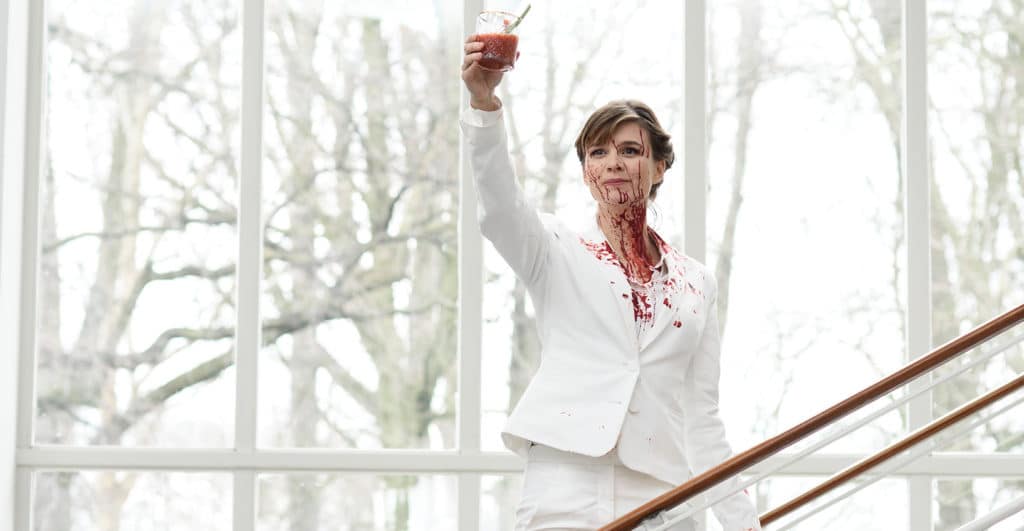
Even without a shred of horror content, most of these people are horrific – and recognisable, if you’ve ventured outside or online for any amount of time in recent years. The absurd jargon, the aspirational rebranding of existing things as new, more relevant things (calling parts of the shop floor ‘ecosystems’, for example) and on the flip side of that smiley, happy claptrap, a cut-throat ethos which sees colleagues ready to maul one another for a promotion, or even a bit of attention from the bosses, people who under any ordinary circumstances you’d avoid. I often felt that The Descent (2005) would have worked well without (spoilers?) the subterranean humanoids; it feels as though Slaxx could have worked pretty damn well as a kind of retail-based Starry Eyes (2014), an examination of what barefaced ambition and pressure does to people. But, things take a turn when shop assistant Jem (Hanneke Talbot) sneaks on a pair of the new wunderjeans ahead of their official release. They look great – but she pays an extraordinary price soon after. The jeans don’t just fit where they touch, they chew straight through her.

It isn’t long before the trousers – which can move around of their own volition – butcher more victims, all of whom, well, if they don’t entirely deserve it, don’t exactly deserve to escape, either. Most of the shop workers are fairly disposable and interchangeable, much like most of the ethically-sourced clothing ranges. Things become somewhat more complicated when Libby and the less-vile Shruti (Sehar Bhojani) seem to be in the firing line, too. In order to escape, they need to work out what is going on.

For the audience, the clues have been stacking up, as we have been made privy to other footage – of somewhere in India, where it seems that CCC haven’t been entirely honest about either their workforce or their product. There is a direct link from producer to product, the product now sitting in the store waiting for the big launch, and herein lies Slaxx’s key serious point. I can see how it’s a divisive one. On one hand, you could argue that the film uses unconventional means to shine a light on decidedly unwholesome practices, the kind of thing which does indeed come to light from time to time: fast fashion exploits some people and rips off others, and it’s hardly as if the biggest brands are that size because of their pleasure in handing out fair wages. On the other hand, where you have a grisly, often darkly-humorous storyline like this, the addition of real-world politics – particularly where a child is involved – could be seen as an ill fit, something a little too real given the nature of the fantasy elements which both precede it and mesh around it. Perhaps it’s one plot device too far, a contrast which throws the other elements out of balance.

Whatever your take on the film’s big plot reveal, though, you certainly can’t argue with its snappy dialogue, its observational humour and its inventive splatter scenes. It’s an unusual film which attempts much and achieves much, as well as quite literally skewering a lot of people who roundly deserve it: there’s plenty of the ridiculous and the sublime here.

Truth Seekers (2020)

When you see the names Pegg and Frost attached to a project, then by now you probably have a fair idea of what to expect: the type of humour, the affectionate inclusion of horror and sci-fi elements, and – when they’re at their best, I’d argue – something intrinsically British. The unfinished pub crawl of World’s End, the corner shop skit in Shaun of the Dead, the ‘greater good’ of Hot Fuzz; these are things which feel like an in-joke to British audiences, and probably appeal to others at least partially because the writers are adept at grappling with British settings, characters and laughs. Truth Seekers (2020) is a return to the TV series format, and whilst it’s not quite up there with the best of the projects which Pegg and Frost (joined by Peter Serafinowicz and Nat Saunders) have ever penned, it makes good use of its thirty minute episodes, making for a decent, entertaining watch overall. It may have been put together with one eye on a follow-up series, but perhaps we shouldn’t be too aggrieved by that; Truth Seekers answers enough of its own questions and showcases a talent for structure and writing, so that some plot lines are wrapped up in the same show, some not until the whole series has run its course.

Nick Frost is the main character here, playing Gus, employee of Smyle, an internet service provider. I assume they got away with that logo, by the way, as the series appears on Amazon Prime video…Anyway, he’s good at what he does, and often gets tasked with the trickier jobs which form part of the ‘great work’: ensuring the whole of the UK are in receipt of Smyle’s 6G broadband (6G! Masts have been burned for far less). On the side, Gus is a paranormal investigator with his own ailing YouTube channel; it’s not too long before we discover that at least part of his fascination with the occult stems from his wife Emily’s fascination with same, though she is no longer around. Emily’s dad, Richard (Malcolm McDowell) lives with Gus now; theirs is a sometimes strained relationship, but by and by, they get along together alright, if Richard can’t quite get past mocking Gus for his online hobbies.

Gus’s equilibrium is disturbed by the presence of a new partner, Elton (Samson Kayo). He’s not much fussed by taking on some greenhorn, and though Elton seems nice enough, he clearly doesn’t stick it at anything he does for very long – it sounds as though he’s had a hundred jobs in his time. Much of Elton’s motivation stems from a need to look out for/look after his sister, Helen (Susan Wokoma), who, despite her bolshy demeanour, hides away from the outside world, living via her various sci-fi fandoms. Still, it isn’t long until some of the strange phenomena which Gus has made it his business to track down begin to find him and Elton; it means an awful lot more footage for the channel, but also it dawns on them that something much bigger is going on; their encounter with a girl called Astrid (Emma D’Arcy) brings them sharply up against the existence of another realm. Occult author Peter Toynbee (Julian Barratt) seems to be involved, and when a mysterious commenter begins appearing on Gus’s page to guide them towards making certain discoveries, they find themselves up against forces far larger than they’d banked on.

The series makes space along the way for other supernatural themes and storylines which work in and of themselves; some of these have their roots in genuine tales, such as the ‘Lincolnshire Poacher’ numbers station (and the series offers up an effective solution for this little mystery). We also get possession, witch curses, hauntings, secret rooms – there’s plenty happening, even at times too much, but what’s really charming about Truth Seekers is how the characters begin to mesh together. People expecting to see Pegg and Frost sharing a lot of screen time may well be disappointed: they do share a screen, but not for much of the time, as Pegg’s is a fairly minor character in all this – well, for the most part. Frost holds the floor, playing a charming, good-hearted if at times bumbling figure, but his growing friendship with young Elton is handled very nicely, and these two actors are good together. Perhaps even better is the developing friendship between Helen and Richard; McDowell is phenomenally funny here, presumably really relishing the chance to play an acerbic old git and doing it very well. He has some of the finest lines in the series; there are lots of ‘Easter eggs’ here relating to his arguably best-known role as Alex in A Clockwork Orange, but thankfully, not done in the Moffat style whereby you get the distinct impression that the writing started with them and then cast about for a plot as an afterthought. There’s also some gentle ribbing of the YouTube generation, as well as the likes of LARPers and superfans, though it’s a case of laughing with, and not at the target audience.

The final episode ends on a cliff-hanger, which suggests that the remit of the show is going to get even broader, come the next series – and it seems almost certain that there will be one. It’ll be interesting to see how the writing team handles this, but the groundwork is done and, all in all, this is an enjoyable project with plenty to recommend it. It’s the kind of gentle, funny escapism we all probably need in 2020.

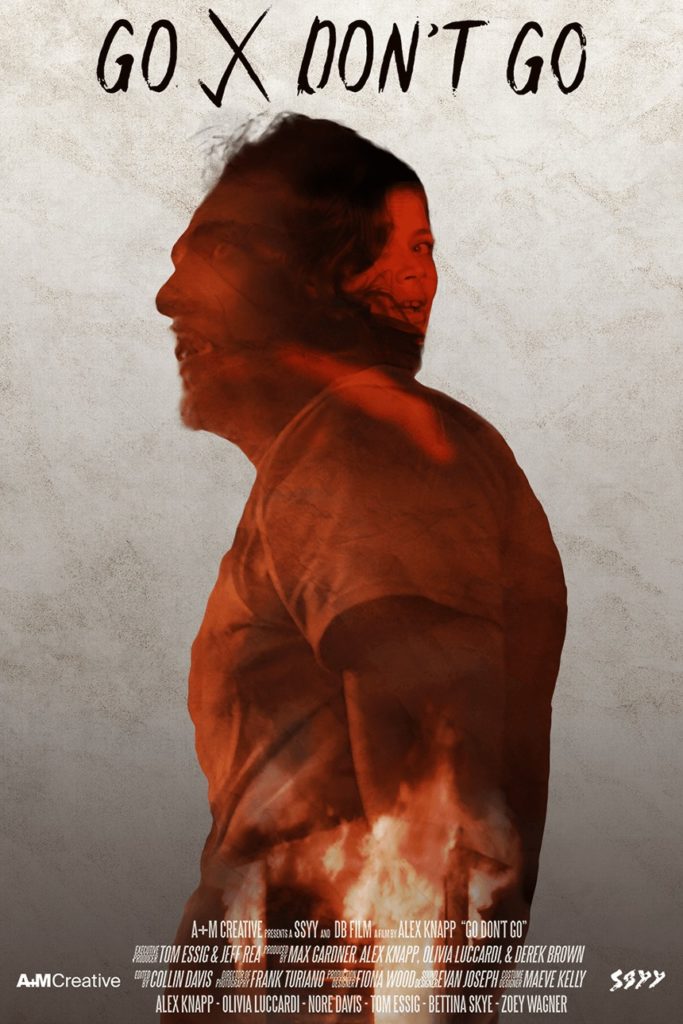
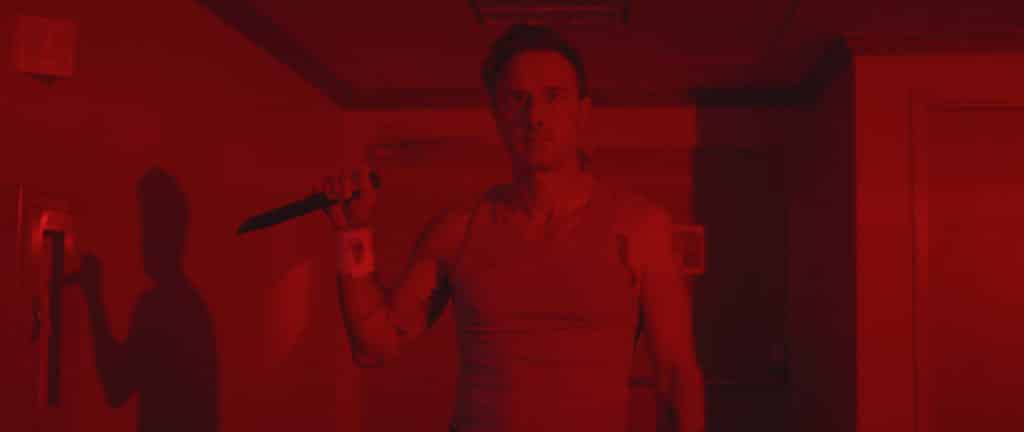
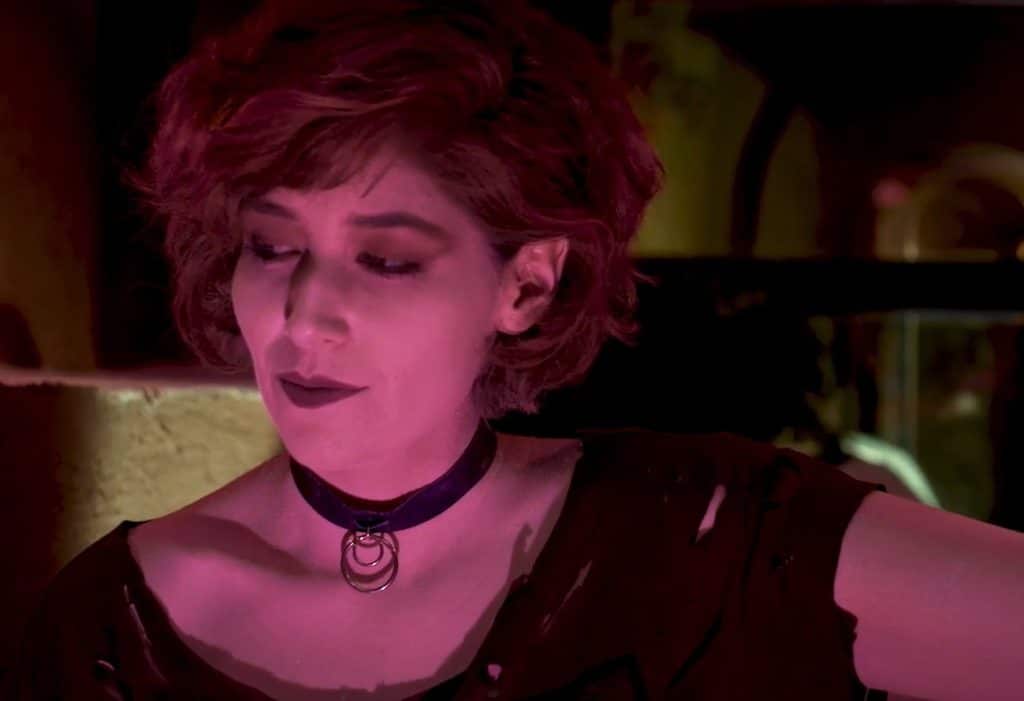
First Bite (2020)

First Bite is not a short film which sets out to reinvent any particular genre – but what it does, it does very nicely. It gets good things out of its key elements and, in a little over six minutes, it manages at least one ‘wince’ moment to boot. It’s also set at a metal gig and, so much do I miss going to concerts that even the events in the film look oddly appealing. But that’s probably just me…

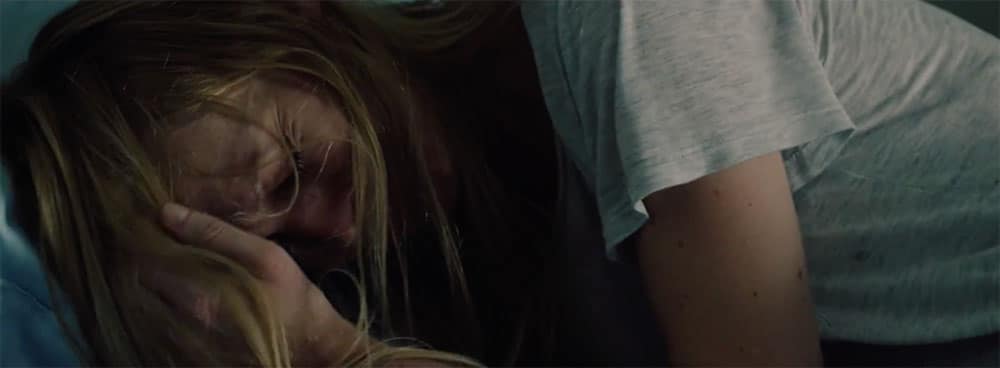
A surprising amount of the film’s running time – I suppose you could call it surprising, anyway – is dedicated to vomit. See, Alex (Catherine Saindon) is feeling none too well. Holing up in a filthy bathroom, she can’t stop throwing up. Friend Olivia (Hana Kashaf) comes to find her, concerned, but gets sharply rebuffed; Alex doesn’t want to let anyone see her like this. She reveals that she can’t keep anything down, and what the hell is that on her arm?

So you can probably take a guess at where this is all going, and that’s okay. All in all, though, it’s a worthwhile trip. The film looks very slick, whilst at the same time pretty repellent in terms of the bathroom stall where we spend most of the time. There are some decent, grisly effects, a nasty-looking wound, blood trickling from Alex’s mouth and of course, albeit that it’s mostly achieved through sound rather than visuals, some pretty grim vomiting, which is enough to make you queasy in itself. When Alex finally emerges from the stall, the film takes a momentary nasty turn, which did make me flinch. First Bite is a cool calling card, and I can’t help but think that I would like to see this extended out to a feature: what we need more of is heavy metal horror.

Win a copy of Horror Out of Control! UPDATED

So, as you will hopefully have noticed, given the sticky post here on the site, myself and David Flint of Reprobate Press have recently published a book. Horror Out of Control is a collection of horror and genre cinema reviews spanning the first two decades of the new millennium, taking in the best, the worst and everything in between. We’re delighted to have a copy of the book available to give away, but we thought to ourselves: where would be the fun in simply getting people to email in, and then entering them into a random draw? Surely it’d be more fun to make them work for it.

And so, this is what we’re going to do.

The idea is this: to follow is a list of quotes from reviews which we’ve included in the book (with a few words amended here and there, to ensure these can’t be Googled – we’re not saying people are cheating so-and-sos, but then again, we’re cynics.) Your task, should you choose to accept it, is to identify the film from the quote. Some of these are pretty straightforward, and some are a little trickier. When you have your answers, please email your numbered list to keri(at)warped-perspective.com.

(The fine print: if we get several responses with all correct answers, these will be put into a draw and a winner chosen at random. If there are NO all correct answers, then we’ll go to the next best and do the same, if there is more than one entry with the same score. Apologies, we can only offer this competition to readers in the UK and Ireland because of exorbitant costs – however, if anyone anywhere wants to do the quiz for fun, please do and we’ll give you a shout out on Twitter, if you include your username. The competition will end on Saturday, 5th December at midday (GMT) and no personal data will be stored once the competition ends. Good luck!)

Here we go then…

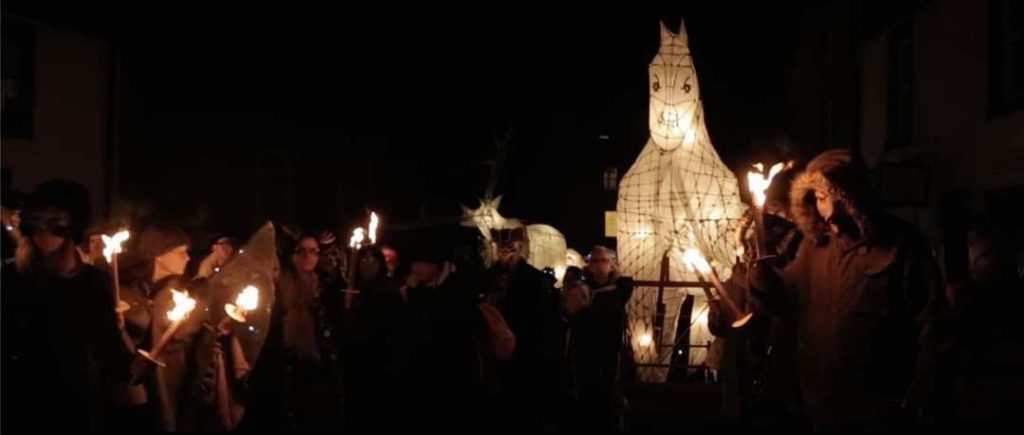
  1. “Set in the Finnish wilderness somewhere near the Russian border, it opens with a group of scientists finding something hidden in ice inside a mountain.” Rare Exports
  2. Easily-jaded genre watchers are overly keen to praise any film that doesn’t pander to the elements that all too often drew them to the genre in the first place. That they all seem willing to ignore or excuse the deeply conservative sexual fears at the heart of the story is odd. I’ll take a bloodbath with cheap scares over a horror movie sponsored by the abstinence brigade any day, personally.” It Follows
  3. “Female lead: if you escape a violent mob whom you believe are going to kill your intended, don’t hide under a tree, approach the gang once it gets light, watch your partner getting tortured and then try to Bluetooth his mobile from yours.” Eden Lake
  4. “Interestingly, these vampires don’t have fangs, but instead have an extending talon on their finger that is used to bloodily tear throats open.” Byzantium
  5. “Five mostly crappy stories […] a cynically cliché ‘home movie’ style […] displaying a nasty streak of frat boy humour and relentless misogyny.” V/H/S
  6. “The film follows Ace, a wannabe rocker heading to a concert, only to be waylaid by love, alien invaders, zombies and lots and lots of explosions en route. Don’t you hate it when that happens?” Wild Zero
  7. “Never did I expect Dracula to turn up as a cuddly owl and make me laugh my gin through my nose…This film is part Noah’s Ark and part AA meeting, a huddle of slurring or disengaged actors wending their way through a random selection of blood-drinking beasties, bad fangs and sudden boobs.” Dario Argento’s Dracula 3D
  8. “The film begins with Pinhead ruminating on a modernity now too satiated with technology to be interested in a simple ‘wooden box’. Who’d have thunk it – the Lament Configuration is just too lo-fi these days.” Hellraiser: Judgment
  9. “As someone who likes short films but often finds whole programmes of them rather hard going thanks to the inconsistency of styles, this format seemed both worrying and reassuring. On the plus side, at least all the films would be a similar, very short length and have a connecting theme; on the negative side, there are a few directors attached to this project who have only ever churned out crap.” ABCs of Death
  10. “A riveting look at Hungary over some difficult decades, or an excuse for lob-ons and a vomit Olympics? You be the judge…” Taxidermia