In 1983, the Director Of Public Prosecutions published its first list of movies which were tagged with the tabloid-friendly label of Video Nasties. These cinematic outliers were deemed to have to power to deprave and corrupt and, if the title in question had been successfully prosecuted under the Obscene Publications Act of 1959, any dealer stocking it could be fined or jailed. In one case, involving Romano Scavolini’s Nightmares In A Damaged Brain, one of its distributors was sentenced to eighteen months in prison (eventually reduced to six months on appeal, but sheesh).
It was a heady time, driven by moral outrage, framed as a battle for the very soul of the United Kingdom, and the seventy-two films that appeared at one time or another on that DPP list attained a level of notoriety their filmmakers never expected (unless, arguably, you were Umberto Lenzi). Thirty-nine remained banned, thirty-three were dropped from the list. All of them became must see items, of course.
As the memory of those crazy days fades and those of us who lived through the Nasties era scratch our heads and wonder what all of that hysteria was about, did those movies actually threaten the fabric of society as we knew it? Let’s take a look at another…
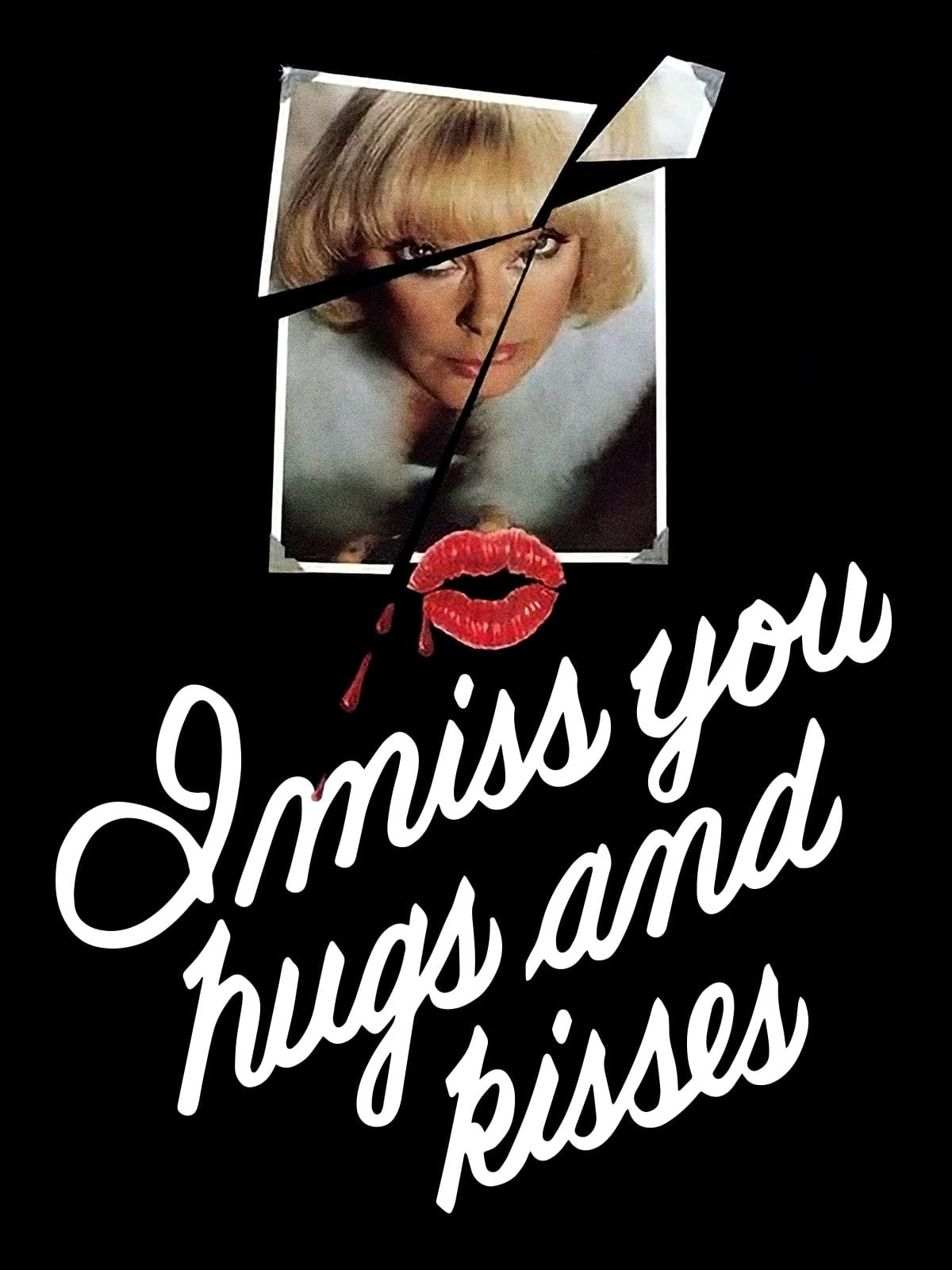
I MISS YOU, HUGS AND KISSES (1978, dir. Murray Markowitz)
*** THIS REVIEW CONTAINS SPOILERS ***
When wealthy businessman Charles Kruschen (Donald Pilon) comes home to find his wife Magdalene (Elke Sommer) brutally murdered, he finds himself subsequently accused of the crime and is then put on trial for the killing. However, as the ongoing proceedings in court seemingly reveal a web of deception on both sides, is Charles actually guilty? And is his best friend Gershen (Chuck Shamata) an ally or an enemy?
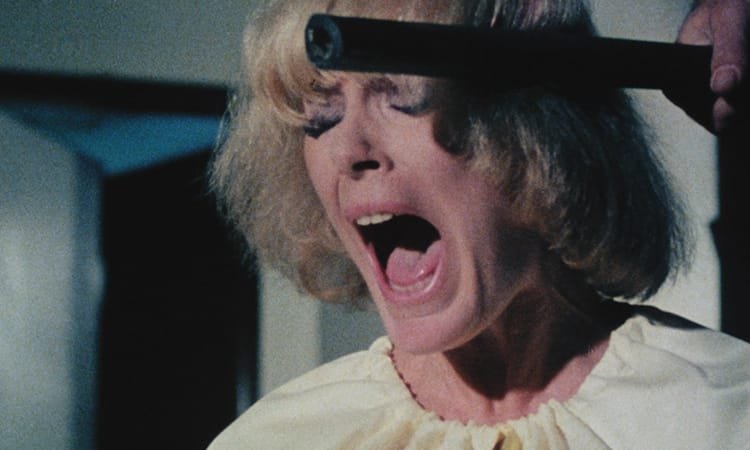
One of the more unexpected entries on the DPP’s list, I Miss You, Hugs And Kisses (which will henceforth be abbreviated to IMYHAK) nonetheless earns its place in video infamy courtesy of some squishy strikes to Sommer’s bonce – played a number of times from slightly different angles – and the kidnap/attack of a young woman which redefines the word “unnecessary.” At the time, Canadian movies were beginning to break from the shackles of their hitherto worthy content and Cronenberg’s early boundary breakers in terms of sci-fi/horror grue more than likely emboldened those with an eye on overseas markets.
Markowitz’s previous directorial effort, Recommendation For Mercy, also mined controversial courtroom territory and also based its story on real life events. IMYHAK’s inspiration is the case of Peter Demeter, a Hungarian-born émigré to Canada who became a real estate developer. He married Austrian model Christine Ferrari. The couple had a daughter before the marriage hit trouble and Christine was discovered bludgeoned to death in the family garage. Here, Charles flees Hungary and settles in Toronto where becomes a property developer. He marries European model Magdalene. The couple has a daughter before the marriage hits trouble and…well, there you go.
Setting the scene by having Magdalene being bloodily dispatched, the opening credits then play over a shot of her blood and brain matter spilling across the garage floor to first-time composer Howard Shore’s rather decent score. See? Even Academy Award winners can get their starts in disreputable filth such as this. To be fair, most of this isn’t disreputable; neither is it filth. There’s nudity, but there’s a feeling of embarrassment that it’s included, which is very much at odds with the one glaring, grating bit of business involving stabbing and sex in close proximity, which I’m sure didn’t help it one little bit when the BBFC hauled it in. Oh, and there’s a short but button-pressing visit to one of Charles and Gershen’s early jobs in a slaughterhouse. The censors really loved seeing that kind of stuff at the time.
Having said that, were those sequences even included in the original video release of IMYHAK? I never saw this one on tape but, judging by anecdotal evidence, it seems as though the VHS showed signs of being cut in various places. What is for certain is that the re-release, going under an alternative title of Drop Dead Dearest, was missing a minute and six seconds of the most offensive bits, throwing the focus on to the judicial shenanigans and the machinations of Sommer, Pilon, Shamata et al.
Sommer gets the only pre-title credit, but the bulk of the film follows Pilon, and to a lesser extent Shamata, as they work out whether or not the increasingly cruel and calculating Magdalene can be put out of her misery while making it look like an accident, leading to some red-filtered fantasy sequences in which the wayward wife has a concrete block dropped on her head, is bumped off in a hit and run and falls foul of an electrocution in a pool. Whereas these vignettes sound like they’d up the ante in terms of exploitation value, they’re bloodless and, to be honest, a bit daft.
It all kicks off with Charles already in the dock, meaning the bulk of the tale is told in flashback, initially serving up a warning to our accused from his deceased father about picking a woman as you would an apple. Beware, because some are rotten, apparently. Wow, way to go, screenplay. Yes, there’s a general absence of nice, upstanding folk in this, but there appears to be a particular venom reserved for the female of the species, here portrayed as either doting bimbos transfixed by the love of much older men or duplicitous harridans out to take their unfortunate spouses for everything they’ve got.
While the piece has to cast some form of doubt on Charles’ guilt to feed into the drama and have the audience question the reliability of its many narrators, it tends to lean into sympathy for its main protagonist more than it possibly should. The casting of Pilon helps, though, because he seems a wrong ‘un from early on and Shamata is adept at channelling that unsightly, weaselly weakness which Canucksploiter William Fruet used to great effect a couple of years before in the DPP botherer – but ultimately not outright ban material – that was Death Weekend.
Despite the odd bit of grue and occasional, very bad language – the c-word gets a couple of airings – IMYHAK often feels like a Lifetime TV time flier with all of that extra salacious material bolted on in the most perfunctory of manners. Technically, however, it shows far more in the way of competence than a lot of its fellow Nasties, the writing is decent if unremarkable and the performances are solid throughout. Of course, all of those things still didn’t save it from getting its distributors into trouble.
Considering the notoriety and continuing popularity of many of its banned stablemates, IMYHAK is still one of the more obscure titles on the Section 2 catalogue. I don’t remember ever seeing it on the rental shop shelves and doesn’t seem to be the subject of much discussion to this day. The packaging of the Intercity Video tape leans into the mildly titillating as it features Sommer in a wet T-shirt, but there’s nothing else to suggest the upset it would clearly cause whoever it was to dob it in. It certainly didn’t have a front cover featuring some hungry cannibal tucking into intestines, so the offended had to put some work in before declaring it sick and depraved.
The IMDb entry for this suggests that it would pass with an uncut 15 certificate now, but I’m not so sure – I’m guessing whoever wrote that nodded off during the murder/necrophilia bit. These days it might seem weak beer on the whole and the multiple fantasy demises of Sommer are more likely to raise some unintentional chuckles, but there’s still something undeniably weird about the genre and tonal shifts deployed in its sub-ninety minute runtime. There are details which hint that Markowitz was looking to give his subject a little more heft than your standard, law based, movie of the week – the first act’s historical context and downbeat, verbose ending being the best examples of this – but the tawdry moments weaken that argument. You probably won’t be questioning if justice was served as the end credits roll, but you’ll be thinking about the incongruously grubby business on display.