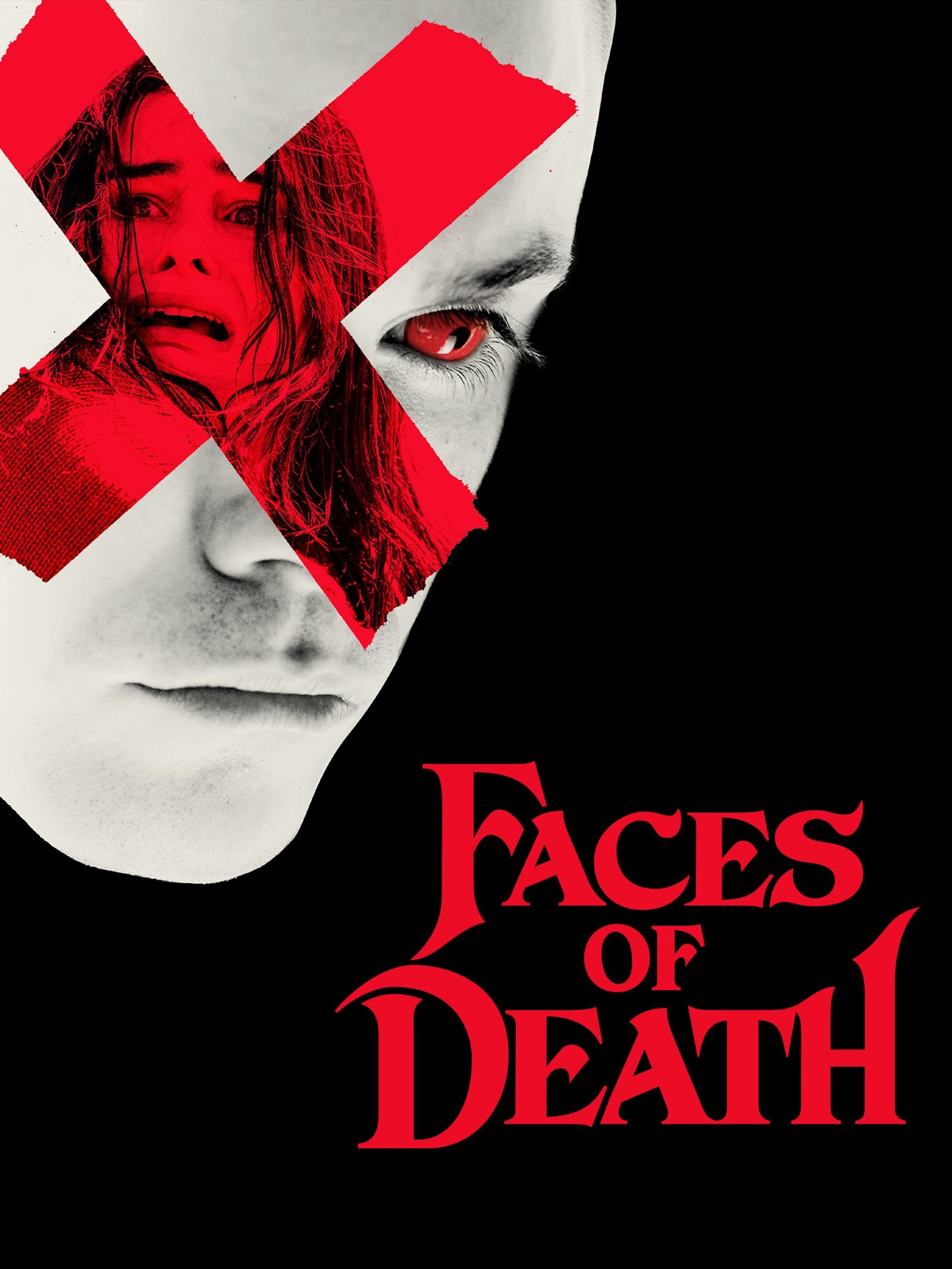

With the incredible levels of social media saturation now possible – often moving from cute pet videos to real-life ordeals in an easy move – then you could be forgiven for thinking that there’s no overarching controls out there, but apparently, there are. Margot (Barbie Ferreira) works for the Kino video app, attaching content warnings to a wide array of clips (and there, before we’re five minutes in, is the strangely mellifluous voice of Dr Francis B. Gröss from the original Faces of Death, making clear that there’ll be more than a brief nod to that best-known blurring of real and fake footage). Although she works with online content, it seems Margot is herself taking a break from being online; back home with her horror-loving roommate Ryan (Aaron Holliday) she also has to think long and hard before even accompanying him to a friend’s house party, but before too long, we’re shown why she’s currently so keen to keep a low profile.
She’s known out there in the big wide world as the ‘train video girl’, something which makes horribly light work of the fact that her sister died after being struck by a train, seconds after the two girls were doing what people do now, making content: thousands of people, it seems, have now seen that content. But no wonder Margot is so keen on her job at Kino: there, she gets to exert control over the online world, when she couldn’t do so in her personal life, and can’t still.
Back at work, Margot is doing the usual – flagging videos which, in all honesty, would actually do people good to see in some cases (proving the immense subjectivity of a flawed system) – when she begins to notice odd snippets of footage which…look real. But they are very stagey, and seem to carry a kind of voiceover, as well as being tagged #fod2024 (the film has been set two years earlier than today to duck out of the additional issues now being caused by intelligent AI). Elsewhere, a young phone salesman called Arthur (Dacre Montgomery) is using his immense powers of access to track down particularly notable Influencers and broadcasters, taking them hostage in order to enact horrible tortures upon them on camera. Margot, by now making a link between the mysterious clips and a certain, notorious 70s film (in possibly the only instance when it turns out to be really useful to live with someone who collects horror on VHS) believes someone is re-enacting key scenes from the original film to get clicks and traction, and of course she’d be right…
The film turns into more of a cat and mouse type of affair at this point, and honestly, the film loses some of its enjoyable forward impetus and mystique once this is revealed (although the fake footage looks good, with some interesting takes on Faces of Death set pieces, proving all over again that the internet can be a creepy, as well as a shocking, numbing space). We know where we’re ultimately headed here then, but perhaps the thing which really keeps the film engaging is the fact of it existing at all, in this form, after a number of years of rumours and attempts to get some kind of new FOD instalment off the ground. We get plenty of the sanity-shredding impact of relentless reels and snapshots which are in many ways the legacy of mondo cinema, and the film also riffs rather well on the great possibilities afforded by the modern internet for exposure, for finding information – and for unhealthy preoccupations of all kinds.
The plan to weave one of the world’s most infamous mondo films into a piece of narrative felt limpossible when it turned out that this is what director and co-writer Daniel Goldhaber had planned, but it works well, even surprisingly well. This is about, in a recognisable and relatable form, our zeitgeist – which Arthur relates, quite succinctly, to the ‘attention economy’, now a central plank in the actual economy, with money and livelihoods and fame all bound up with clicks and shares. The film may devote more and more of its runtime to its clear slasher elements, with the knowing feel of a Scream update for the 2020s, but other horror elements are here, too: mystery, ordeal cinema and social media horror.
And then there’s this idea of providing an homage to Faces of Death, as much as updating it: arguably, the new film manages both. If the 2026 film sometimes feels nasty and unnecessary, then think of it as a ripple, still spreading from the original film – a film which became part of urban myth and legend in its own day, and can still be seen reflected in the unstinting, unstopping awfulness (and uncertainty) of today’s online footage. Faces of Death (2026) is not perfect, and a big logic fail at the end harms it somewhat, but on the whole it does capture something pithy about the competing threads of modern apathy and the updated modern appetite for fame, at any cost. You know what else is good? A lead actress who actually looks like she could fight.
Faces of Death (2026) is available to stream now.