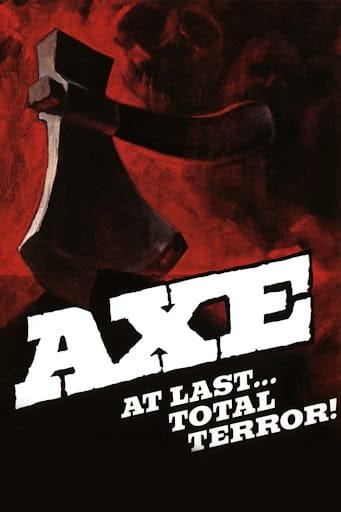
In 1983, the Director Of Public Prosecutions published its first list of movies which were tagged with the tabloid-friendly label of Video Nasties. These cinematic outliers were deemed to have the power to deprave and corrupt and, if the title in question had been successfully prosecuted under the Obscene Publications Act of 1959, any dealer stocking it could be fined or jailed. In one case, involving Romano Scavolini’s Nightmares In A Damaged Brain, one of its distributors was sentenced to eighteen months in prison (eventually reduced to six months on appeal, but sheesh).
It was a heady time, driven by moral outrage, framed as a battle for the very soul of the United Kingdom, and the seventy-two films that appeared at one time or another on that DPP list attained a level of notoriety their filmmakers never expected (unless, arguably, you were Umberto Lenzi). Thirty-nine remained banned; thirty-three were dropped from the list. All of them became must see items, of course.
As the memory of those crazy days fades and those of us who lived through the Nasties era scratch our heads and wonder what all of that hysteria was about, did those movies actually threaten the fabric of society as we knew it? Let’s take a look at one of them…
AXE (1974, dir. Frederick R. Friedel)
*** THIS REVIEW CONTAINS SPOILERS ***
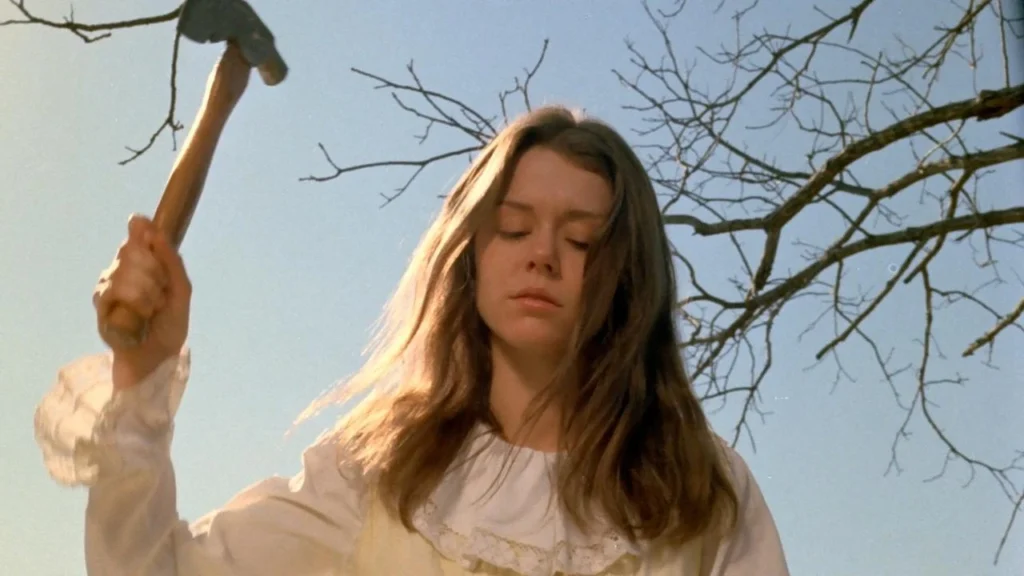
A trio of sharply dressed hoodlums – Steele (Jack Canon), Lomax (Ray Green) and Billy (director and writer Friedel completing his triple-threat status) – leave a trail of devastation in their wake before finding an ideal place to hide out for a while. Said place is a remote farmhouse, where a young woman called Lisa (Leslie Lee, embodying rural unconventionality) looks after her disabled grandfather and takes care of the daily chores on the homestead, including killing the odd chicken with the titular implement, an impassive look on her face the whole time. If these guys think they’re going to take advantage of her, they’re dead wrong.
Originally released in late 1974 as Lisa, Lisa, distributor Harry Novak of Boxoffice International Pictures saw the potential of tapping in the exploitation film market with a change of title, and the newly monikered Axe hit the screens four years later. It’s a title with which Friedel was not particularly enamoured, as it gave the game away regarding what was to come, but it was the UK cinema release which took the prize for least subtle renaming in the form of California Axe Massacre, clearly done to capitalise on a different massacre with a different weapon of choice over in Texas. By the way, the movie was shot in North Carolina.
If you turned up at the flicks for a massacre in either state at the time, you were probably going to be disappointed, although there is slightly more axe-related damage in this one than Leatherface got to dole out with the saw. Axe is more concerned with an examination of isolation and the strangeness of the environment than explicit bloodshed. The characters are all fascinatingly enigmatic, having scant backstory and developing little over the course of the wafer-thin plot. Canon and Green are remorseless, brutish types and hence the viewer will be waiting for them to come to a sticky end. Friedel’s Billy is the more sympathetic youngster of the group and dogged by the guilt of his actions, knowing full well that his accomplices will leave neither Lisa nor her gramps alive before they clear out, but conflicted as to whether or not he should – or will be able to – intervene.
That point proves to be moot as Lisa doesn’t take kindly to impolite, gun wielding city folk invading her turf, especially ones who think all females are fair game. The 1999 UK DVD release of this movie attained what it previously had failed to grab – an 18 certificate – but that came at the cost of losing nineteen seconds of Lomax attacking a sleeping Lisa. The British Board Of Film Classification were, and still are, wary of allowing material containing sexual violence to pass uncut, although the 2005 re-release saw those cuts waived as the Board re-assessed the power of Axe to shock and offend.
Conceptually, it is a disturbing sequence, but it’s given context by the fact that it doesn’t focus on the assault itself, instead prolonging the scene for just long enough to give the audience a clear sight of the straight razor Lisa has taken from a drawer, unbeknown to Lomax, generating the suspense of when/if she’s going to use it on him. It’s horrible, but there’s none of the gloating, unpleasant, violence against women tropes you might find in other Nasties. Lomax has totally underestimated his prey and now his corpse is being chopped up in the bathtub. Serves him right.
Of course, with Lomax missing – Billy having unwittingly carted the various bits of him up to the attic in a steamer trunk – it’s time for Steele to try his chat up routine on Lisa, which goes just about as well as you’d think and sets the scene for a chilling climax, as it dawns upon Billy as to the catastrophic mistake he and his associates have made by holing up there. Put it this way, it might put you off tomato soup for a short while.
With artwork suggesting a gorefest and a synopsis suggesting a gorefest, it’s surprising to find that Axe is a strikingly shot piece with attractive compositions and a languid pace that makes the brief, brutal jolts of violence all the more potent. Even with a runtime of just sixty-six minutes, nothing is hurried – even the opening and closing credits – and the lack of urgency may prove a stumbling block for those wanting the story to stop faffing about and get to the gory action. Despite the main thrust of the tale being a young woman committing disgusting acts of violence against intruders, it all feels resolutely unexploitative, serving up a cautionary tale of how male hubris and exceptionalism is met with the ultimate response.
It is very low budget. It is rough around the edges. The performances are patchy. The focus on atmosphere over action will have some folks thinking it’s just too dull for words, especially as the DPP declared it obscene, and that will surely make for a blood-soaked evening’s entertainment. However, Friedel has an eye for framing and, considering the grimy goings-on, the settings possess an oddly beautiful quality. The guy had never worked on a film prior to this and, for a debut, it’s a more confident effort than some of the less polished technical aspects might suggest. As far as I’m concerned, it’s a genuine shame that Friedel didn’t go on to make a ton of other movies because, for all of its faults, this is a weirdly compelling one and like none of its other Nasties cohorts.