Like many film festivals, Final Girls Berlin understands the value of short films and includes themed blocks of these on the schedule. This particular block – loosely grouped under the ever-popular title of ‘folk horror’ – is an eclectic range of films from a diverse roster of countries, though there are still, appreciably, thematic similarities. We get takes on the relationship between wider society and the individual; we see the importance of ritual, whether or not the origins of those rituals are obscure; then, perhaps most interestingly of all, the films included in this block all move beyond what would often be the film’s final moment. Here, folk horror encompasses consequences: what is the legacy, what are the implications of the events which we see (or have suggested to us) on screen? That is a novel approach given that in so many of the canonical, early folk horror films, we see almost nothing of that. A woman’s perspective, perhaps, moves beyond the crisis itself to pick up the pieces.
In Lok (‘Men’, d. Mahmuda Sultana Rima), we find ourselves in rural Bangladesh – and there’s a mob of men on the move. They are heading to the house of a woman they deem a ‘witch’, hammering on her door and seeking admittance. “Why won’t you open the door?” yells one man over the clamour. It’s amusing, and ridiculous, that he has to ask that question. Eventually, and finding no other choice if she wants to keep her door intact, the woman does open it. The men are looking for one of their number, another man who has disappeared, and despite turning the place over, they can’t find him. Leaving the woman and a young girl alone once more, we are asked to consider: what has actually transpired here? Is she as powerless as she appears to be? Whilst Lok is more of a tantalising snippet than a fully-fledged narrative, it nonetheless offers us something from beyond the limitations of a Northern European witchcraft tradition, hinting at variations in magical practices and toying with men’s fear of magic, even whilst they rail against it (and reduce in number).
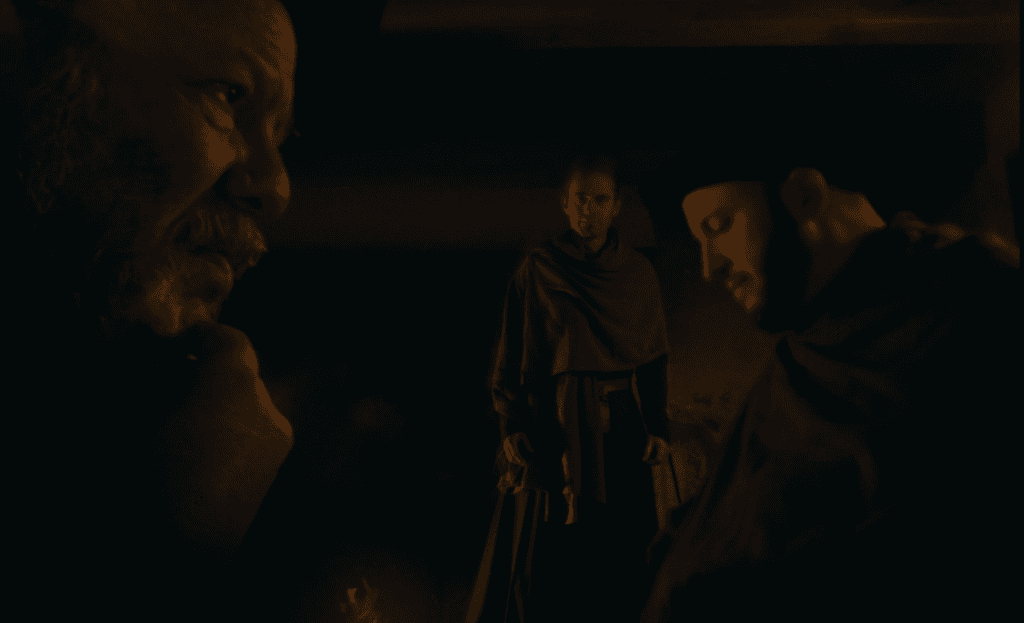
Striya (d. Paige Campbell) starts in a similar way to Lok, although there’s no overt mob politics on display. The men who open this film speak in a measured manner, but they are deciding on the proper course of action for a bizarre quandary: how to deal with a vampire, the ‘Striya’ of Jewish lore and the film’s title (the film itself also features Yiddish dialogue). As the men speak, we glean evidence of the patriarchal power structures which shape this response (and curtail it). The woman, Gele, cannot be simply dispatched, as her father is a respected community figure and he pleads with the rabbi for leniency. Yet, her father promises that love, not scripture, can prevent her from causing harm. Striya is well-acted, lit, framed and scripted, with interesting historical and theological inclusions. This Rembrandt of a horror tale also comes with a message, perhaps, that all the theology in the world has its limitations.
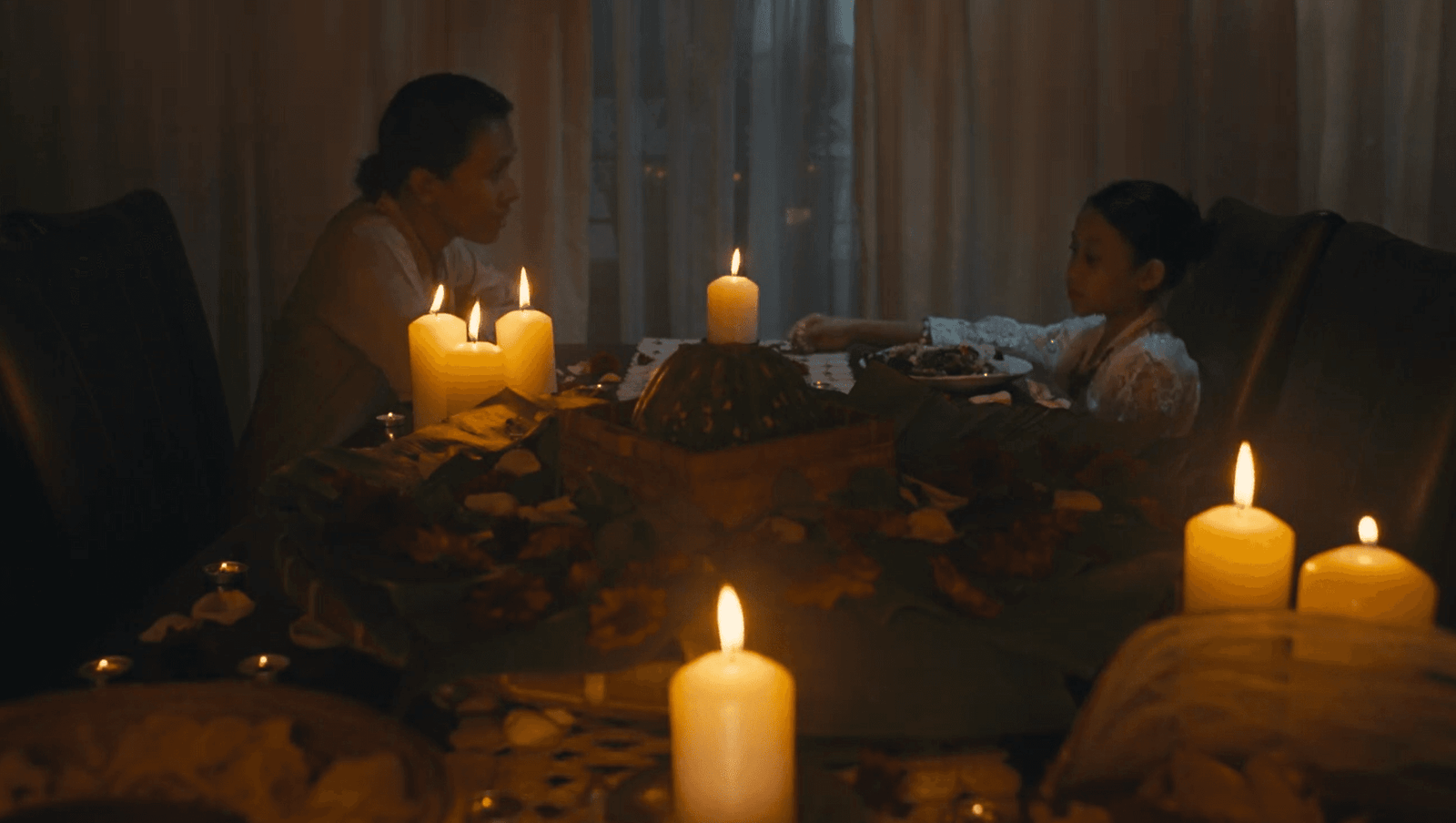
Kill Tradition (d. Juliana Reza, featured image) also looks at the parental role, only this time from the perspective of a mother, whose community is on the brink of an annual festival of some kind in which she takes no interest: she switches off the radio when an announcement about the event is being read out. She seemingly prefers to spend time with her child – presumably her only child – though she has to head out of the home, leaving the little girl alone for a few hours – at which point, their quiet and self-contained lives change forever. There’s an early sense that the intimate and the familial is about to come into conflict with wider society, and it does; focusing on the emotional impacts rather than explaining the finer details (the film’s title suggests something much harsher and more overt than we get), Kill Tradition (Mati Adat) is a beautiful and very painterly film, offering numerous set pieces from a domestic setting in a way which feels very unusual. It’s a subtle and engaging film which eschews ritual detail to focus on the emotional impact of upheaval from without the family unit.
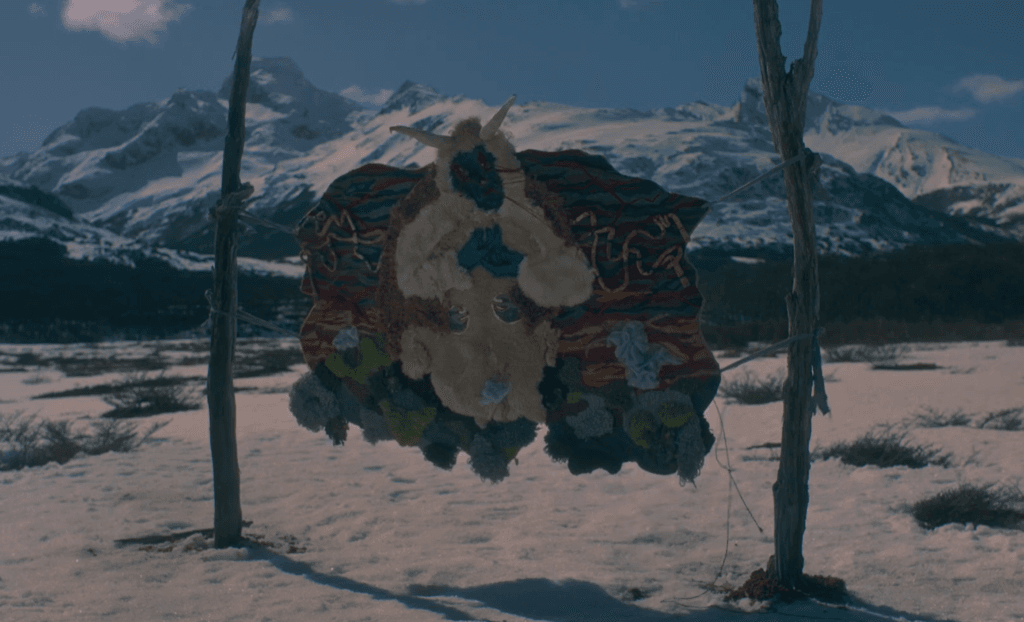
Antibody (‘Anticuerpo‘, d. Ludmila Rogel, Sofia Chizzini) has an ominous start: a conversation in a slaughterhouse, where a young woman makes a series of unusual requests of the slaughterman – which go unfulfilled, it seems. She leaves with a bundle, with notices displayed outside suggesting that this is some kind of dystopian reality, though hitherto given a subtle treatment here. The woman takes her sheepskin bundle to another woman but, when they discuss some upcoming event, it seems that only one of them will attend. The event itself looks to be an underground club night – a surprising inclusion – but despite the lack of trad-coded ritual activity, things turn ugly. Again only hinting at a dark culture and its attendant practices, Antibody boasts striking, wintry visuals, and the physical presence of Nina (played by Chizzini) really contributes to this film. With some May (2002) vibes in places, the film offers a sense of a bizarre project taking place against a background of loneliness and disorder.
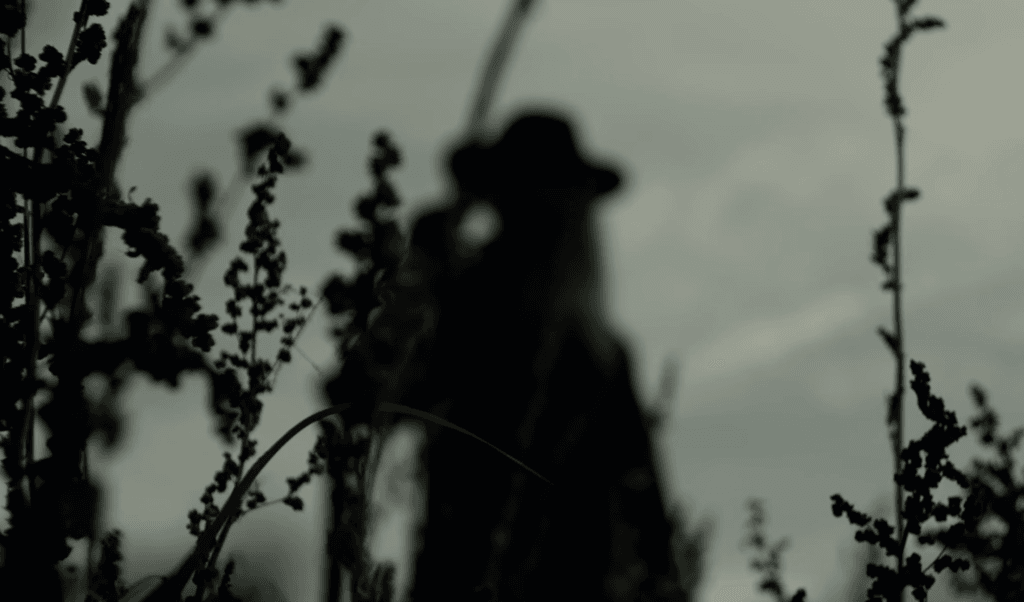
Lastly in the block, we come to Hafermann (d. Helena Haverkamp), where monochrome, stylised opening credits cede to an idyllic pastoral. A young woman teases her baby brother with tales of the ‘hafermann’ or ‘oat man’, a harvest spirit who protects the fields. However, and as she is warned, names have power: speak his name, and he will follow. Forging a link between the opening credits and the now-ruined nature of this idyll, the film turns into a riddle, one which has particular psychological weight for little Arthur, now grown and seeking answers. But, despite the personal path he takes during the film, Hafermann retains its riddles, favouring symbol and idea over straightforward explication. All of this, together with the film’s unusual shooting style, keeps the audience at a remove – but still engages us in this dreamlike and often disturbing journey.
For more information about the Final Girls Berlin Film Festival, please click here.